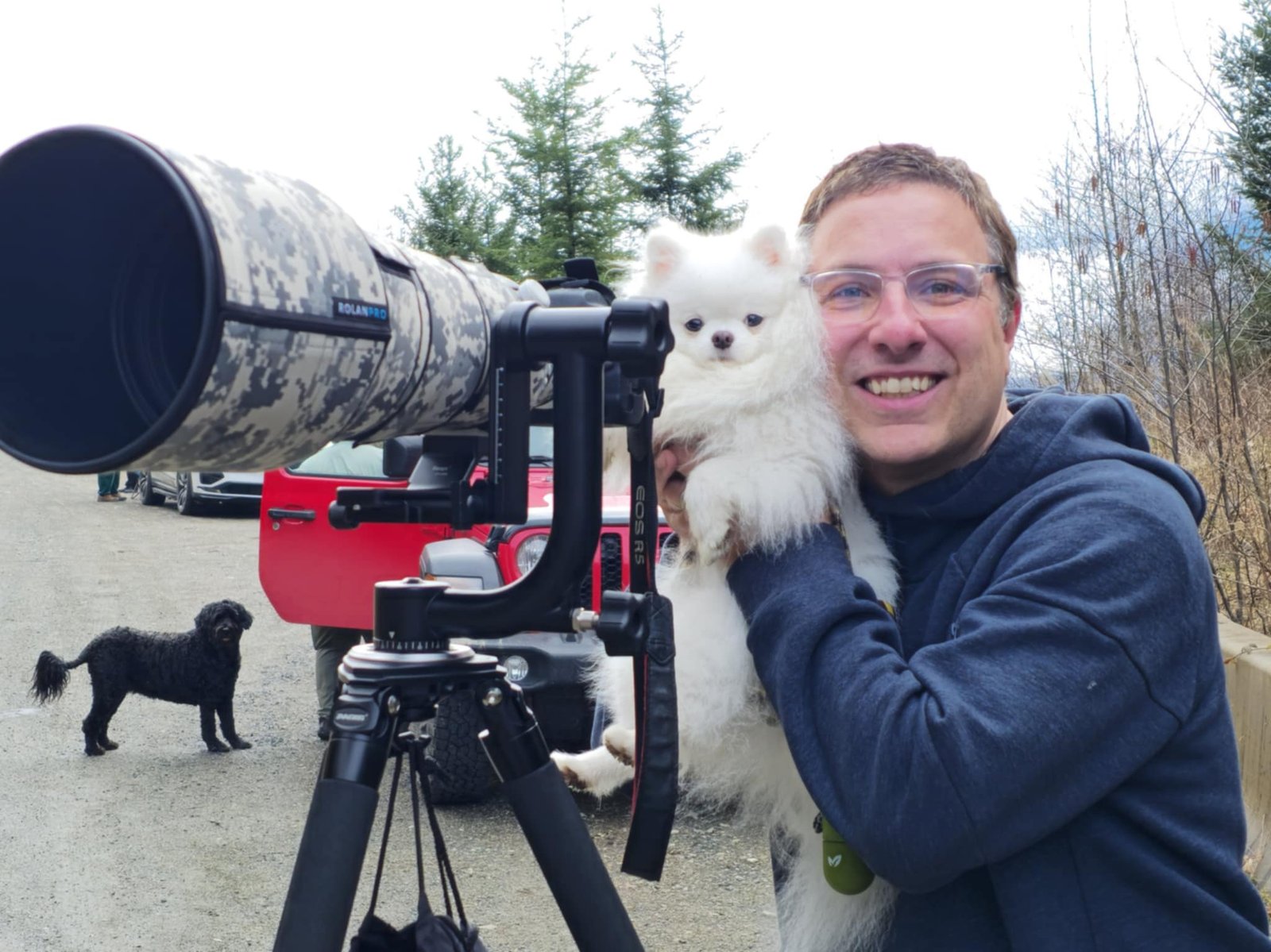
My Camera Gear for Wildlife Photography (What I Actually Use)
Why the Right Gear Matters for Wildlife Photography
I still remember the first time I tried photographing a bald eagle in the wild. I missed the shot because my gear couldn’t keep up with the bird’s sudden dive. I needed tools that worked with me in unpredictable conditions, not against me. After years of trial and error, upgrades, and packing light for remote adventures, here’s the gear I actually reach for today.
You’re out at dawn, waiting for that elusive moment. Light is changing fast. Your subject moves unpredictably. One wrong choice—too slow autofocus, heavy setup that kills mobility, or poor reach—and the image of a lifetime slips away. The external problems are obvious: distance, weather, fast action. Internal ones? Doubt about your equipment and the fear of coming home empty-handed. Missing the raw beauty of nature because your tools held you back.
That’s where a solid, practical kit becomes your guide. It removes friction so you can focus on being present, patient, and creative. However, buying the best camera gear available does not mean you will automatically get the best photos! You have to spend time learning the basics and mastering all the features your camera offers you.
CLICK HERE to go to MY GEAR page if you don’t want to read the details of each piece of equipment I own.
Gear vs Skill: What Really Creates Great Photos
One more very important point before I ramble about my gear. At the end of the day the type of camera gear you use is important in getting usable images but it’s not the only factor. Understanding the basics of photography, being creative, understanding the habitat and behaviors of your subject (for wildlife) and LUCK are all equally if not more important factors.
My Current Camera Bodies
Primary Camera: Canon EOS R5
Canon R5 This is my workhorse. I use this camera body for 90% of my photos I take. The camera body is a bit old now and I upgraded it from my Canon 5D Mark III years ago. Primarily for two reasons: 1) It is mirrorless 2) it has animal auto tracking. The R5, while not the top of the line Canon body, really has most of the features you will need to take amazing images! The camera features a 45mp full frame sensor. Full frame sensors generally perform better in low light conditions which is very important when shooting wildlife early in the morning and late in the day. The camera also features in-body image stabilization, 1053 points coverage autofocus system, weather sealed design, 8k video and a high performance digic x processor.
Stacked sensor, blistering burst rates, phenomenal AI subject detection (especially for birds and mammals), and excellent low-light performance. It handles wildlife’s chaos beautifully—fast action, cropping flexibility from the 45MP sensor, and it’s more portable than the flagship Z9. I use it for 90% of my serious shoots.
Would I upgrade my camera today? Maybe. To be honest, the only thing I would want more from my camera is better animal tracking and faster focusing and locking on targets. You will read more about that in a future post!
Backup Camera: Canon EOS R7 (Crop Sensor Advantage)
Canon R7 This is an older camera body that I picked up recently. Why is it my backup? There are three main reasons. The most important reason is the crop sensor. Essentially, without going into too much detail, cameras that have a crop sensor gives you more “reach” in your image. For example, my 400 2.8 lens on a crop sensor becomes 640mm 2.8 with the 1.6x crop factor! That is an amazing focal length at 2.8 and it becomes particularly handy when photographing wildlife at a distance in low light. However, the draw back to a crop sensor is that the noise in the image can be worse than a full frame body. The second reason I have this body as my back up is cost! At time of writing this article the R7 could be purchased under $1800 CAD. Lastly the R7, in my experience, has a more responsive auto focus system. So in good lighting, for subjects further away, the R7 makes for a GREAT affordable back up to the R5!
The R7 is equipped with a 32.5mp APS-C CMOS sensor, dual pixel cmos AF II auto focuses system with 651 AF points, up to 30 frames per second continuous shooting, in body image stabilisation and 4k video.
Lenses I Actually Use in the Field
Canon RF 400mm f/2.8 L IS USM – My Go-To Prime
Canon RF 400 2.8 L IS Prime Lens (fantastic for low light conditions when photographing wildlife in the early mornings and late day.
Canon RF 100-500mm f/4.5-7.1 L IS USM – Best All-Rounder
Canon RF 100-500mm 7.1 L lens Great overall lens that allows you to adapt to changing situations quickly such as an animal approaching you fast where you can zoom out to 100 in half a second.
Wide-Angle Option: Canon RF 35mm f/1.4 L
Canon EF 35 mm 1.4 L lens : Great overall lens for my day to day landscape shots.
Teleconverter: Canon RF 2x Extender
Canon RF 2x telephoto converter Great converter to have on my 2.8 400mm lens when the wildlife is to far away.
Primes deliver magic when conditions allow, but the zoom is what I actually use day in, day out because wildlife rarely reads the script.
Support and Stability Gear
Tripod and Gimbal Head Setup
Gimbal head (like Really Right Stuff or similar) on a sturdy carbon fiber tripod: Essential for heavy glass. Smooth tracking of moving subjects without fatigue.
Essential Accessories for Wildlife Shoots
- High-speed CFexpress cards: Don’t cheap out—your camera’s burst rate is useless without them.
- Extra batteries and a reliable charger: Cold weather drains power fast.
- Weather protection: Rain covers, lens hoods, and a good backpack (something like f-stop or Lowepro with quick-access compartments).
I keep the kit as light as possible. Overpacking kills your ability to move quietly and stay out longer.
How I Choose Gear for Different Shoots
- Assess the shoot — Location, expected subjects, distance, and conditions dictate the combo (e.g., zoom + monopod for hiking, prime + tripod for blinds).
- Test in the field — I What felt great in the store often reveals flaws after 10 hours in the rain.
- Prioritize reliability — Fast, sticky autofocus with animal/bird eye detection is non-negotiable now.
With this setup, I’ve nailed shots I once only dreamed of— a grizzly catching salmon at dusk, a hummingbird in mid-hover, or a wolf pack on the move.You get sharper images, higher keeper rates, and more time enjoying the experience instead of fighting your equipment.
Beginner Wildlife Photography Gear Recommendations (Budget Options)
Start where you are. You don’t need flagship gear immediately—a solid APS-C or entry full-frame with a versatile tele zoom can produce incredible results. Focus on learning your camera inside out, practicing field craft, and adding pieces that solve specific frustrations. CLICK HERE to go to MY GEAR page
What’s in your bag right now? Drop your favorite lens or biggest gear challenge below—I’d love to hear and maybe help refine it. If you’re building your first serious wildlife kit, research what matches your budget and local subjects. The right tools turn frustration into stories worth sharing.
