Kinabatangan River Wildlife List: What Animals You Can See on a Kinabatangan River Cruise
The Moment We Realized Why the Kinabatangan River Is So Special
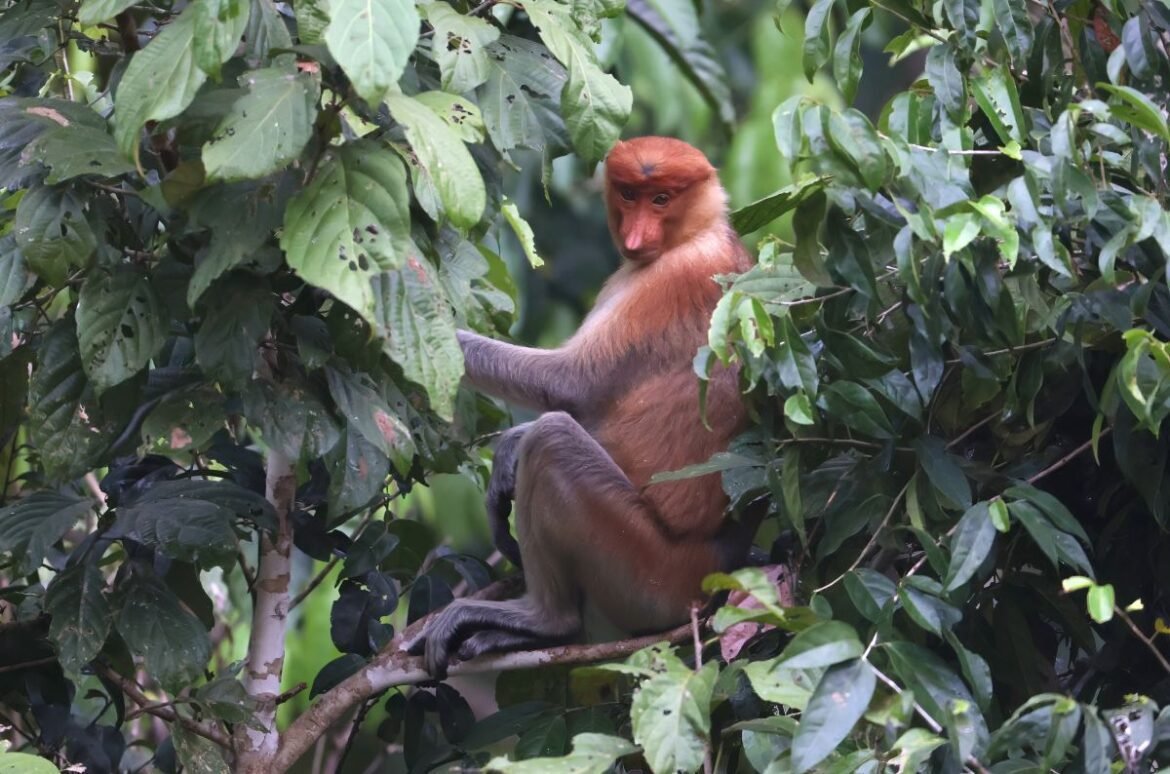
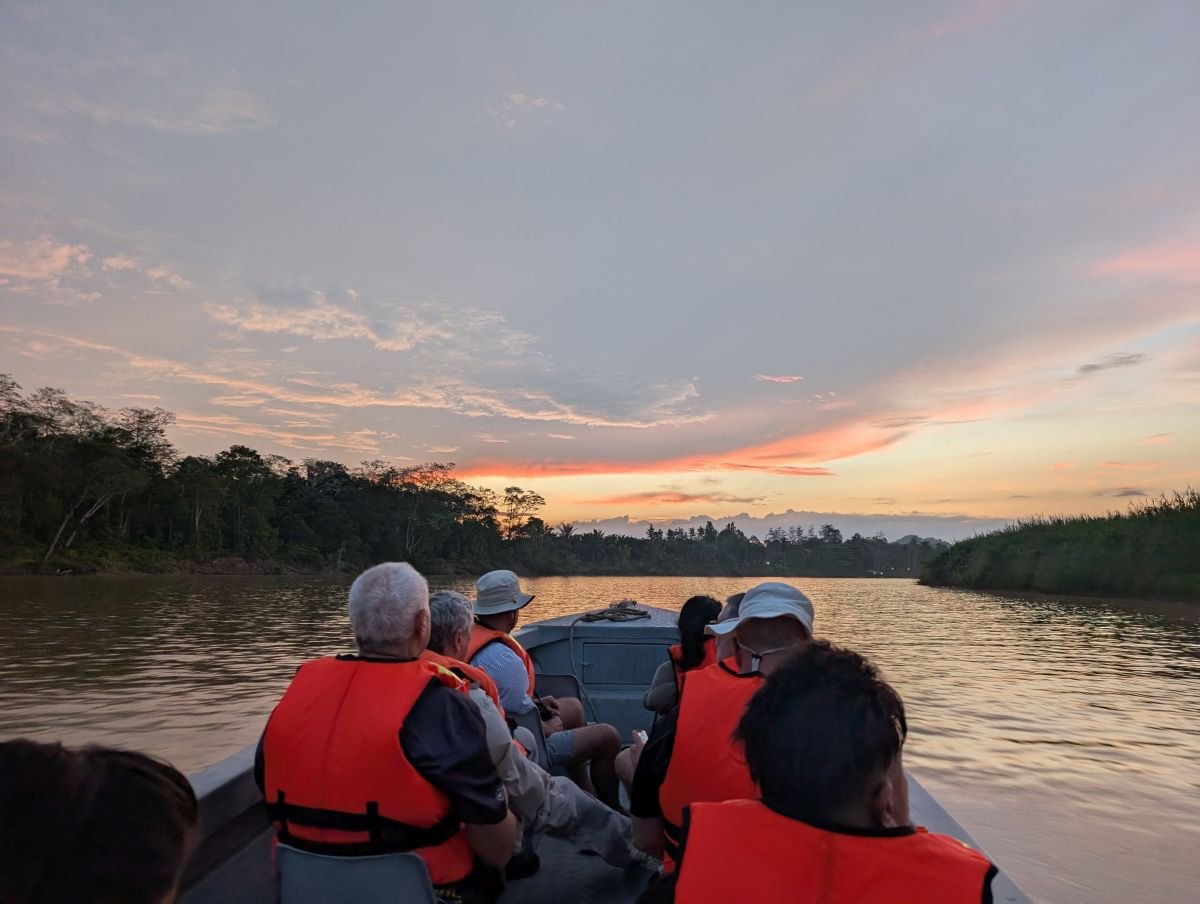
We didn’t fully understand what made the Kinabatangan River so special until we were actually cruising the river. There’s no dramatic “arrival moment” just a quiet river, thick jungle on both sides, and the sense that something is always happening just out of sight. Then out of nowhere you spot your first proboscis monkeys in the trees by the river. The next thing you know you see hornbills gliding across the river calling loudly. In that moment, it becomes clear why the Kinabatangan River is one of the best places in Borneo for wildlife watching. The density and diversity of wildlife is amazing!
Why This River Is One of the Best Places in Asia for Wildlife Watching
The Kinabatangan River is one of the best wildlife watching destinations in Asia because of the concentration and diversity of animals into one accessible corridor. Instead of trekking deep into the jungle hoping for rare sightings, here you can see iconic Bornean wildlife often within a single boat cruise. The river acts as a natural highway for animals, bringing them to the edges of the water where visitors can observe them at close range. Unfortunately the animals are forced to the river bank due to extensive deforestation on either side of the river leaving little habitat expect around the river. You can read more about this sad reality HERE.
What Wildlife Can You Expect to See on the Kinabatangan River?
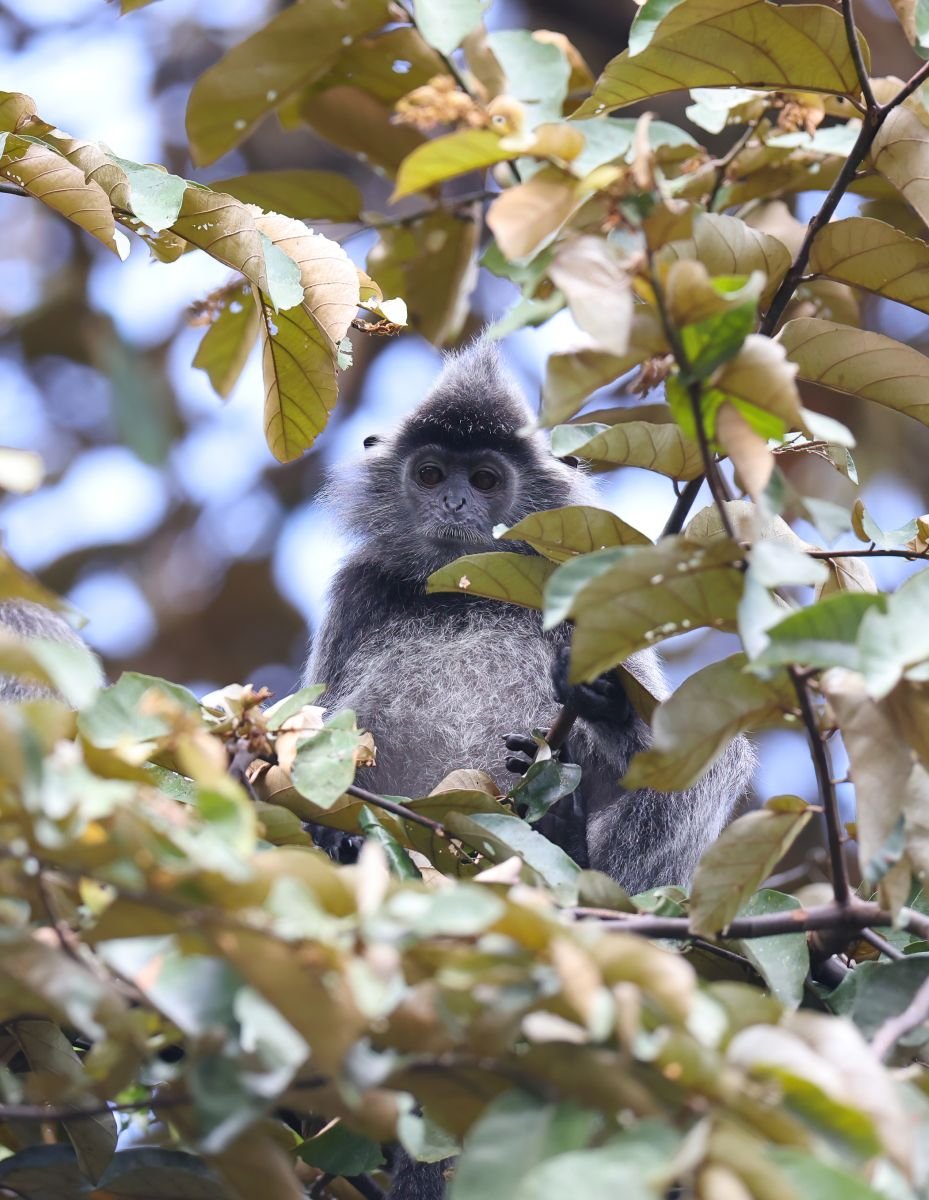
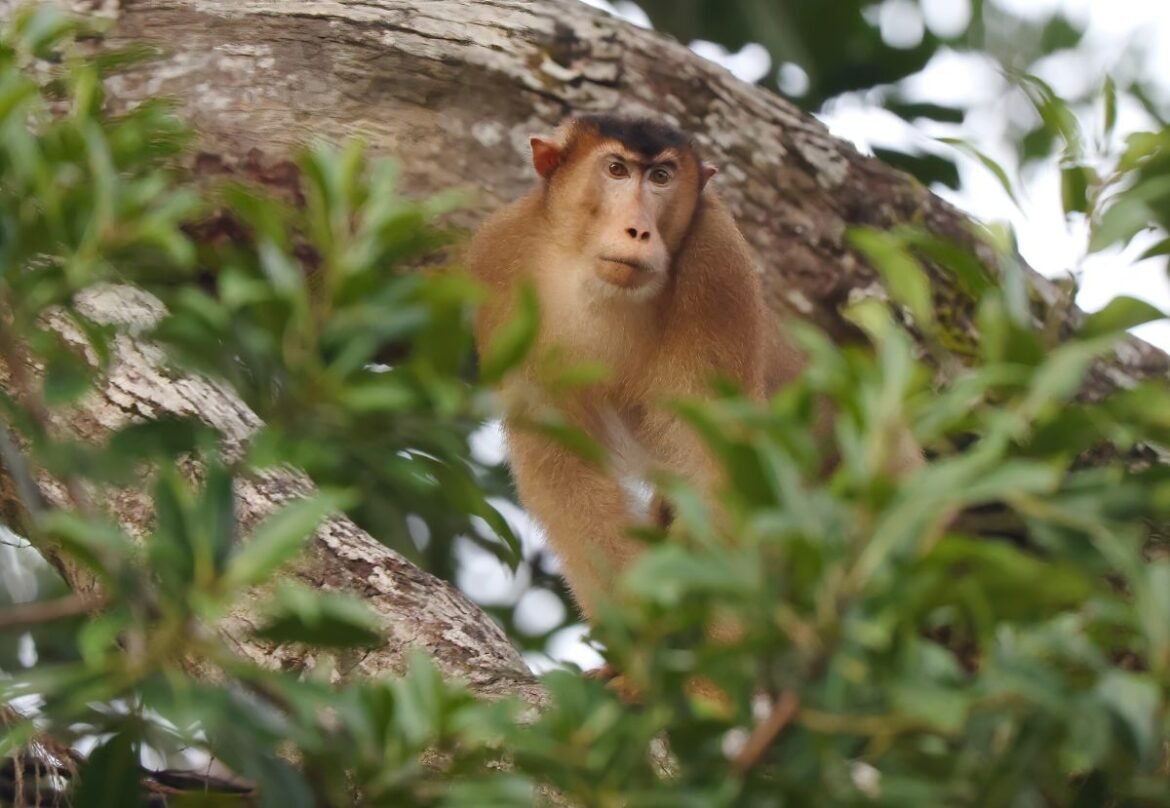
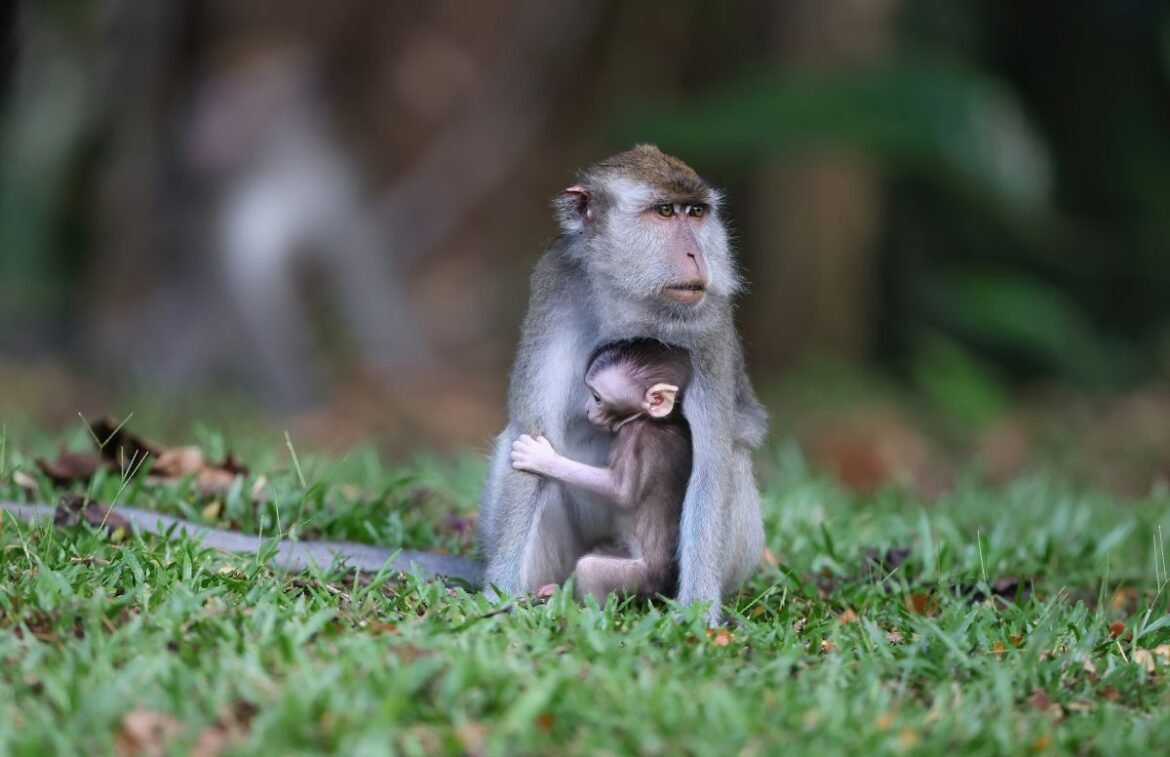
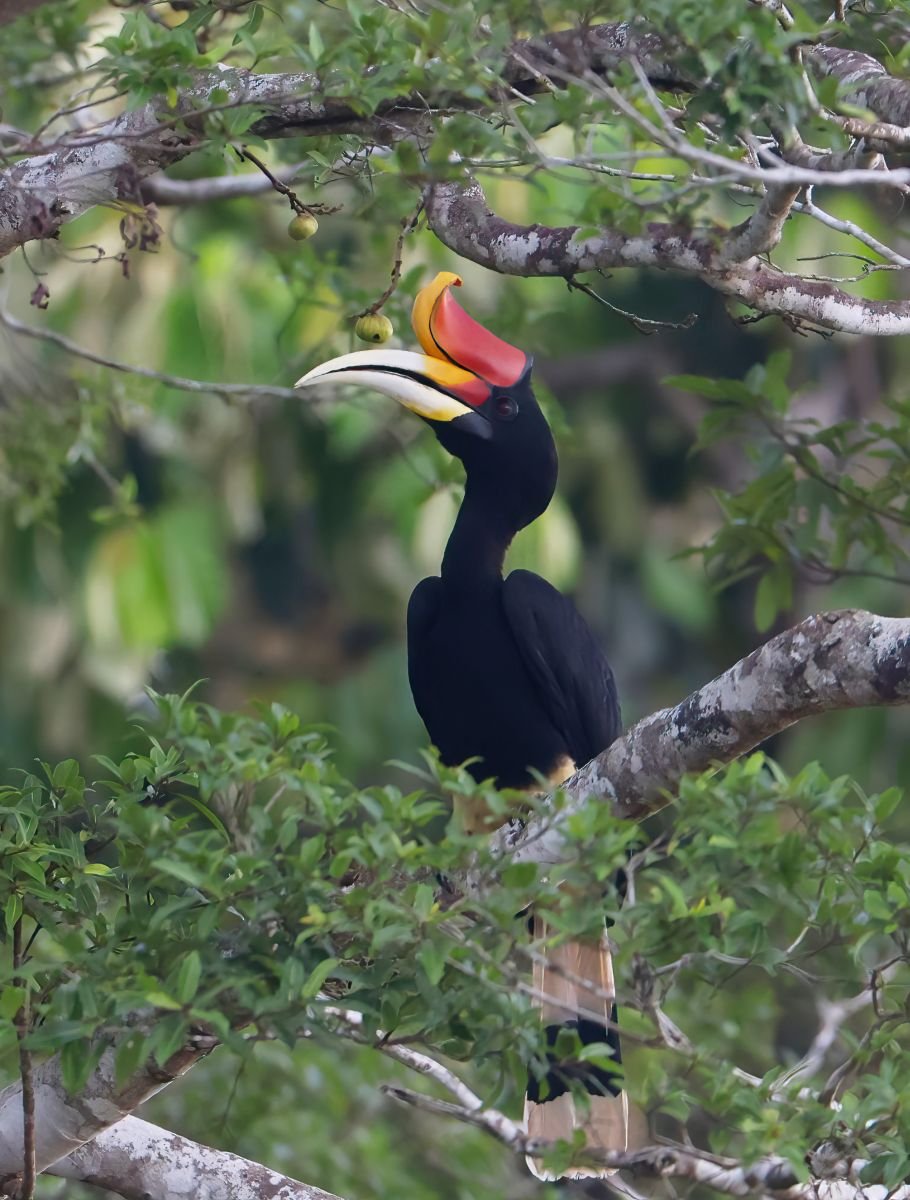
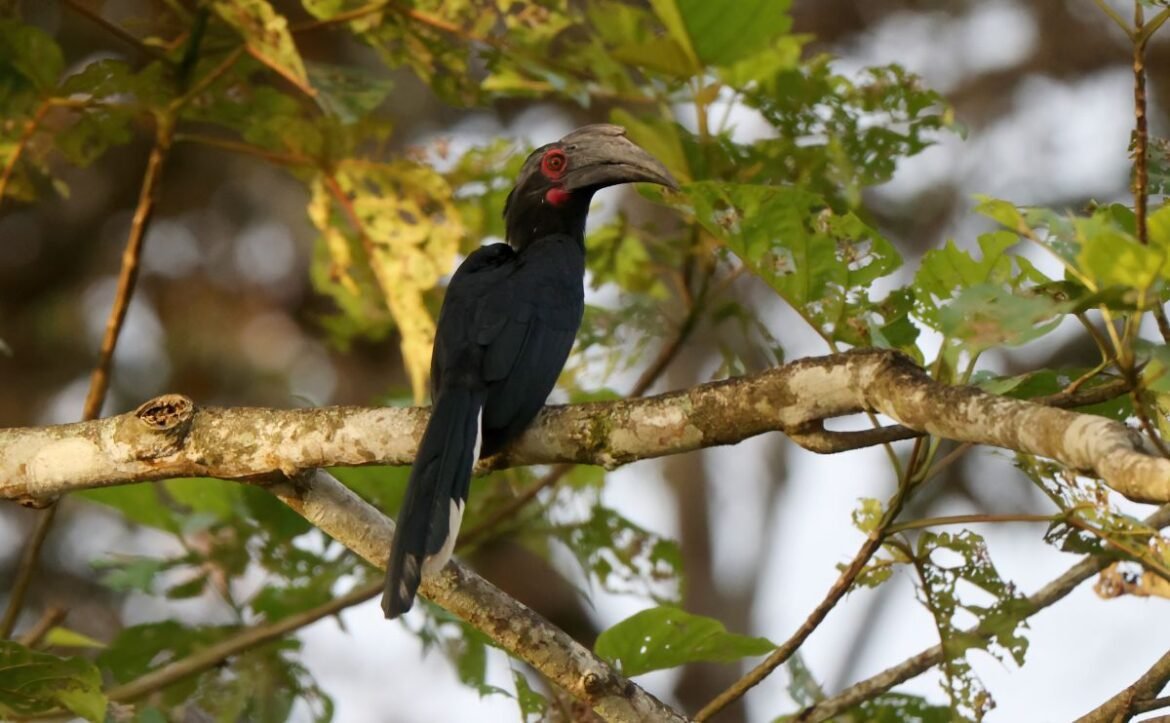
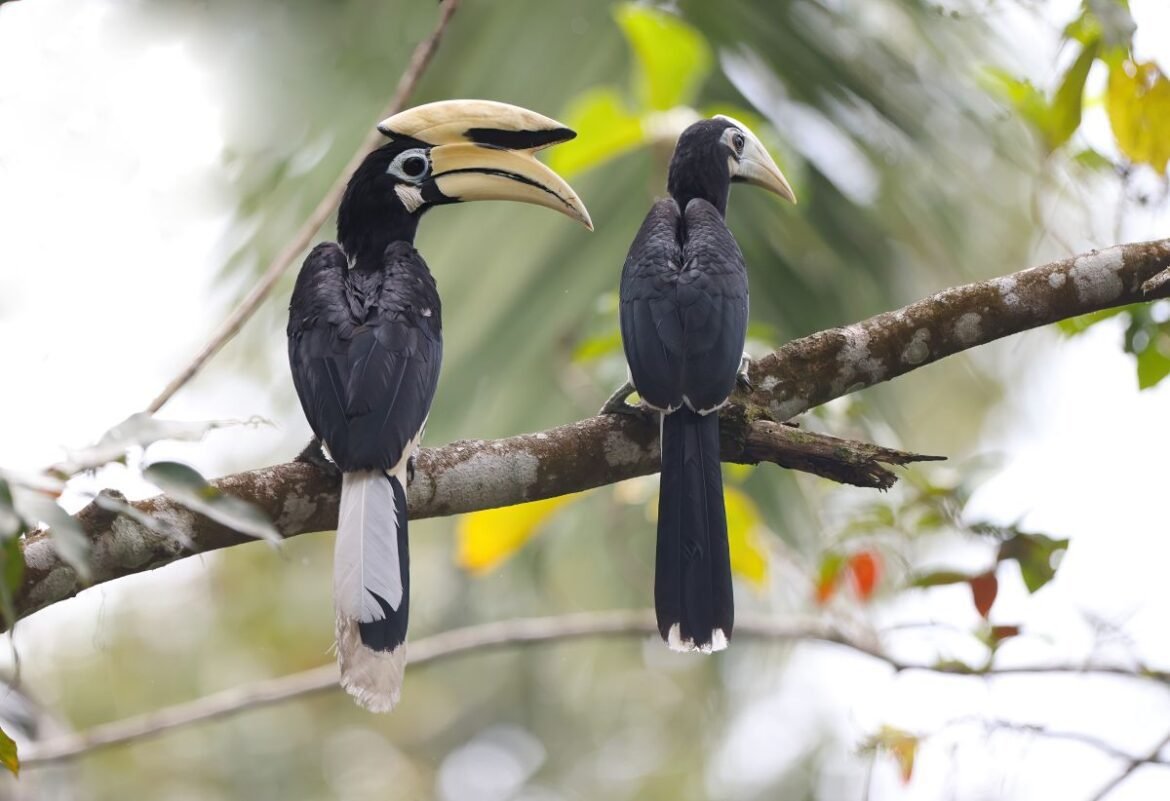
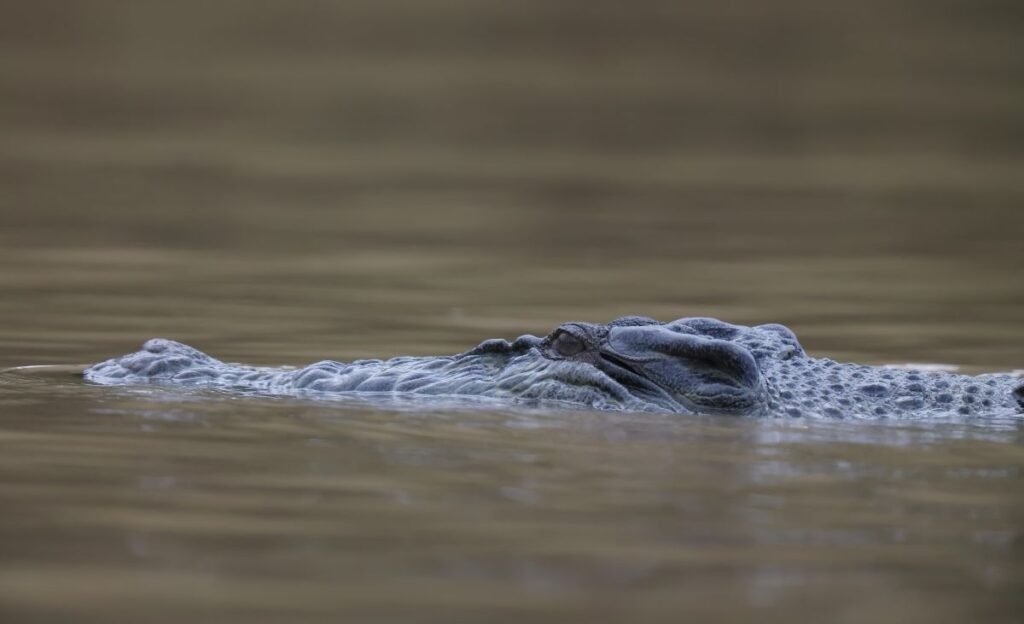
Wildlife here is both abundant and unpredictable, but you can reasonably expect to encounter proboscis monkeys almost daily, along with long-tailed and pig-tailed macaques along the riverbanks. On our trip we probably saw over 500 monkeys on three days of cruising the river. Hornbills often appear overhead, their wingbeats echoing through the forest, while kingfishers, herons, and egrets line the muddy edges of the water. In total we saw 4 species of hornbill (Wrinkled, Rhinoceros, Black, Oriental Pied Hornbill) with the Oriental Pied Hornbill being the most common. Crocodiles are commonly seen resting motionless on sandbanks or drifting just below the surface.
With a bit of luck, you may also spot Bornean pygmy elephants crossing the river or moving through the forest edge, while rarer sightings like orangutans, otters, and even clouded leopards are possible but never guaranteed.
What makes the experience so compelling is that no two cruises are the same. Each journey feels like a real-time discovery of Borneo’s wild ecosystem unfolding in front of you.
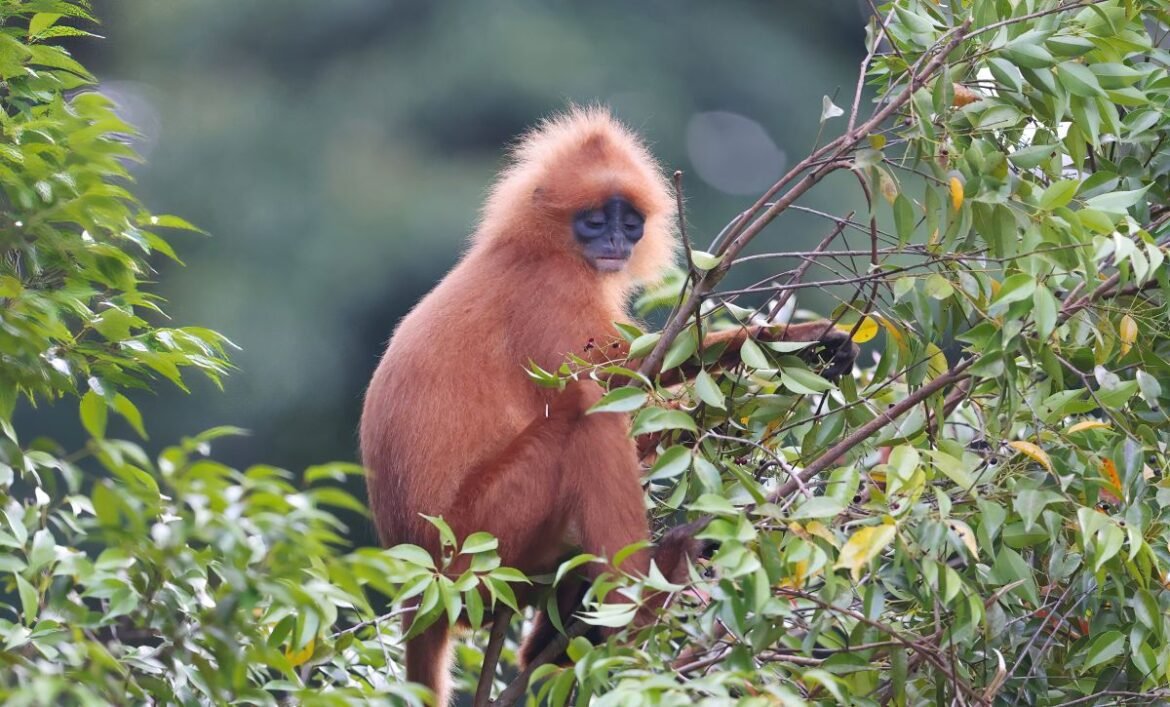
Monkeys along the Kinabatangan River
Rare Animals You Might Be Lucky Enough to Spot
The most famous rare sighting is the Bornean pygmy elephant, the world’s smallest elephant species. They roam the forests along the river and occasionally emerge to feed on the banks or cross the water. We did not see the elephants on our trip on the river but did see them in DANUM VALLEY.
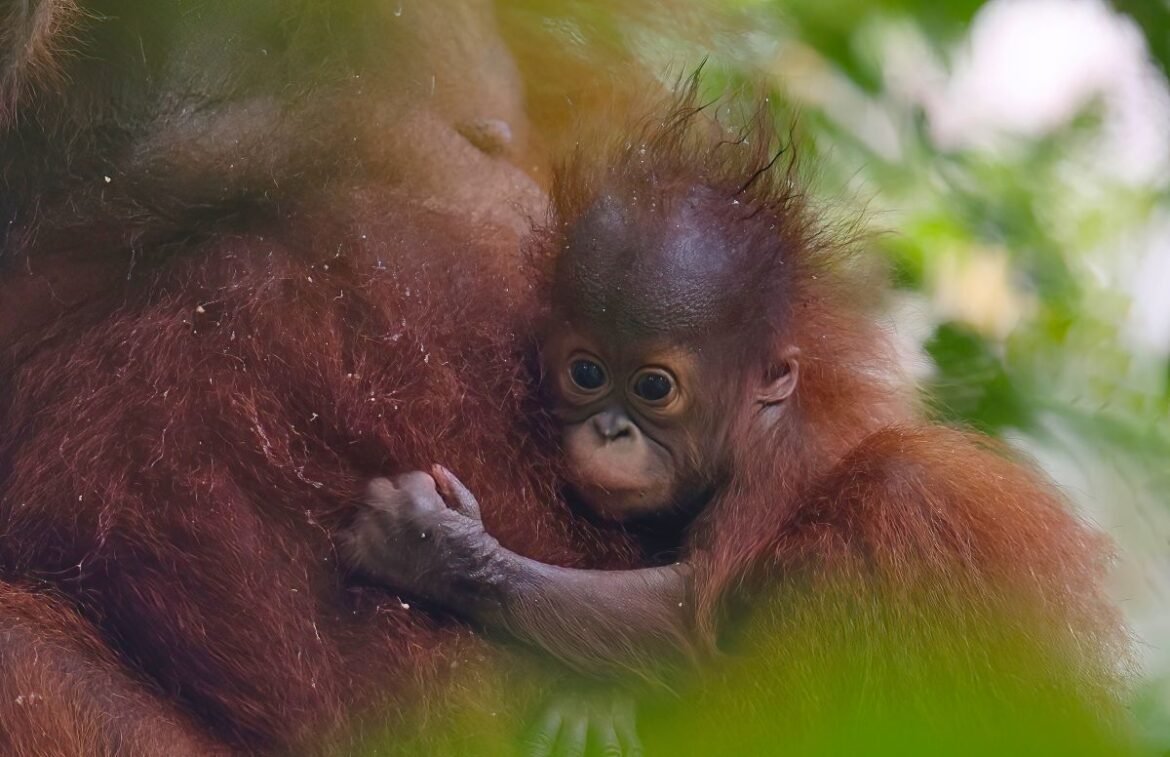
Another species high on every wildlife traveler’s wish list is the Bornean orangutan. Watching an orangutan move through the canopy without any human interaction is a powerful reminder of how special this ecosystem remains. We did not see them along the river and did see them in Danum Valley. CLICK HERE for more information.
For birdwatchers, the Kinabatangan offers the chance to find some exceptionally rare species. The endangered Storm’s stork is one of the most coveted sightings, while the striking wrinkled hornbill and black hornbill are less common than the more frequently seen rhinoceros hornbill.
The river’s wetlands also provide habitat for elusive mammals such as otters, civets, and the secretive flat-headed cat, one of the rarest wild cats in the world.
Then there is the animal that has achieved almost mythical status among wildlife enthusiasts: the Sunda clouded leopard. Considered one of Borneo’s most elusive predators, it is incredibly difficult to spot and is usually active at night.
Hornbills along the Kinabatangan River
The Best Time to Visit for Wildlife Sightings
There is no “best time” to visit the Kinabatangan River. Each season has different challenges and rewards. CLICK HERE to read my article about timing your trip to the Kinabatangan River.
How to Increase Your Chances of Seeing Wildlife on the Kinabatangan River
One of the most common questions travelers ask before visiting the Kinabatangan River is whether they’ll actually see wildlife. The good news is that this stretch of rainforest is one of the most wildlife-rich areas in Borneo, and sightings are frequent. Here are some tips to make your wildlife adventures more memorable:
- Stay for at least three nights. Wildlife sightings can vary dramatically from one cruise to the next. The longer you stay the better the chances of seeing something rare.
- Take both morning and afternoon river cruises. Animals are active at different times of the day.
- Don’t skip the night cruise. ome of the Kinabatangan’s most fascinating animals emerge only after dark. Night cruises offer the chance to spot sleeping birds, crocodiles with glowing eyes, civets, slow lorises, and other nocturnal wildlife.
- Choose a lodge with experienced wildlife guides.
- Bring binoculars
- Arrange a private boat trip if you have specific target species you would like to look for.
Frequently Asked Questions About Kinabatangan River Wildlife
Below are answers to some of the most common questions travelers ask before booking a Kinabatangan River cruise.
Can You See Orangutans on the Kinabatangan River?
Yes, wild orangutans can be seen along the Kinabatangan River, although sightings are never guaranteed. Unlike rehabilitation centers where orangutans are accustomed to human presence, the orangutans here are completely wild and free to move throughout the forest. Some visitors are fortunate enough to spot individuals feeding in riverside trees, while others may not see one during their stay. If seeing an orangutan is a priority, consider combining a Kinabatangan River visit with a trip to Sepilok.
Are Bornean Pygmy Elephants Easy to See?
Bornean pygmy are far from guaranteed. Herds move throughout the forest in search of food and can disappear into dense vegetation for days at a time. With some luck and a longer stay you increase your chances of seeing them!
What Is the Most Common Animal on the Kinabatangan River?
Proboscis monkeys are arguably the most commonly seen and most iconic animals along the Kinabatangan River. These unique primates are found only on Borneo and are frequently spotted during afternoon cruises as they gather near the river before settling into their sleeping trees. Long-tailed macaques, pig-tailed macaques, crocodiles, and hornbills are also commonly encountered.
Is a Night Cruise Worth It?
Absolutely. A night cruise offers a completely different wildlife experience from daytime excursions. After dark, you may spot sleeping birds, crocodiles, civets, slow lorises, frogs, and other nocturnal creatures that are rarely seen during the day.
How Many Days Should You Stay on the Kinabatangan River?
Stay at least three nights if your schedule allows. Wildlife sightings can vary dramatically from one cruise to another, and additional time on the river greatly increases your chances of seeing a wider variety of animals.
What Is the Best Time of Year for Wildlife Watching?
CLICK HERE to see when to visit the Kinabatangan River.
What Is the Rarest Animal on the Kinabatangan River?
The Sunda clouded leopard is often considered the rarest and most elusive animal in the Kinabatangan ecosystem.
Is the Kinabatangan River Worth Visiting for Wildlife?
Without question. The Kinabatangan River is widely regarded as one of the best wildlife destinations in Borneo and one of the most accessible places in Asia to see wild primates, hornbills, crocodiles, and other rainforest species.
Interested in knowing what camera gear I use? Check out my gear list HERE