Sepilok Orangutan Rehabilitation Centre Borneo Guide (What to Expect & How to Visit) by martin.gregorian June 10, 2026
Why Sepilok Is One of the Best Places in Borneo to See Orangutans
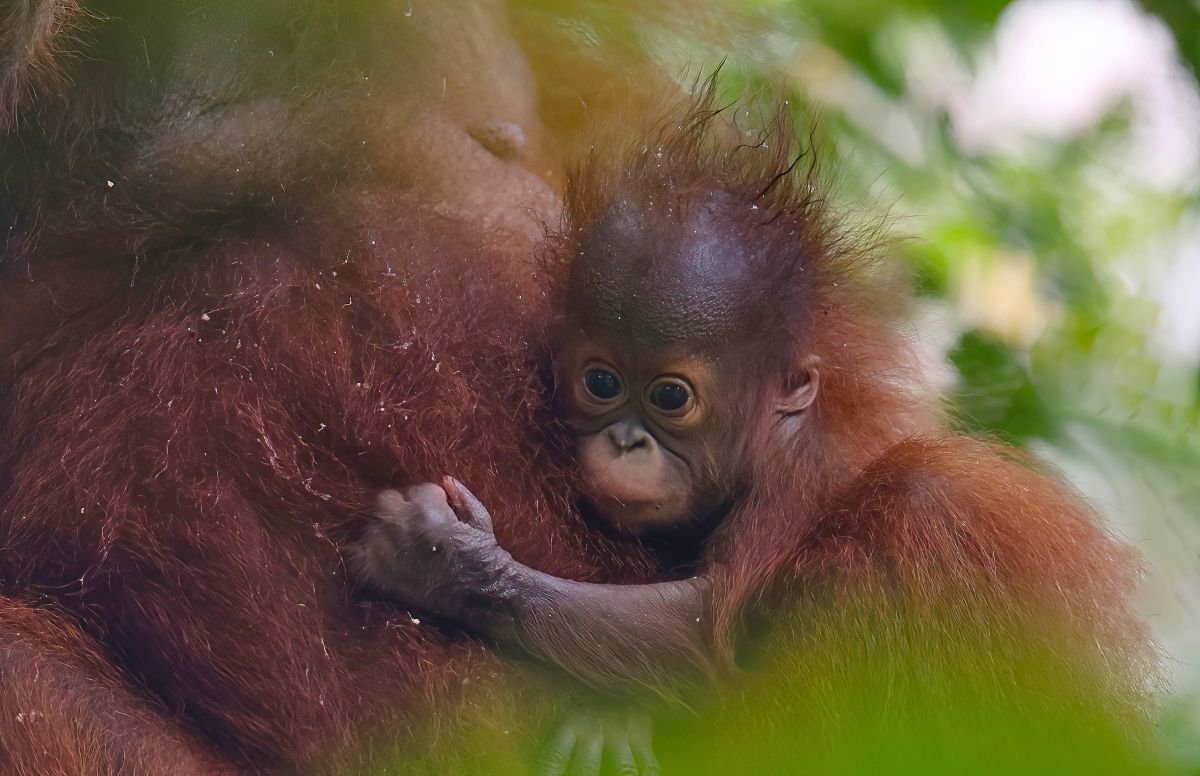
Sepilok Orangutan Rehabilitation Centre is one of the most famous wildlife experiences in Borneo, and for good reason. If you’re traveling through Sabah and hoping to see orangutans in a responsible, ethical way, Sepilok is often the first place that comes up. Unlike a zoo, this is a rehabilitation centre where rescued orangutans are gradually reintroduced to the wild. For travelers, that means you have a rare opportunity to see semi-wild orangutans up close in a natural rainforest setting while also supporting conservation work that helps protect the species long-term.
For many visitors, Sepilok becomes one of those travel moments that stays with them long after they leave Borneo—not because it feels like a performance, but because it doesn’t.
What to Expect When You Visit Sepilok Orangutan Rehabilitation Centre
The Arrival Experience
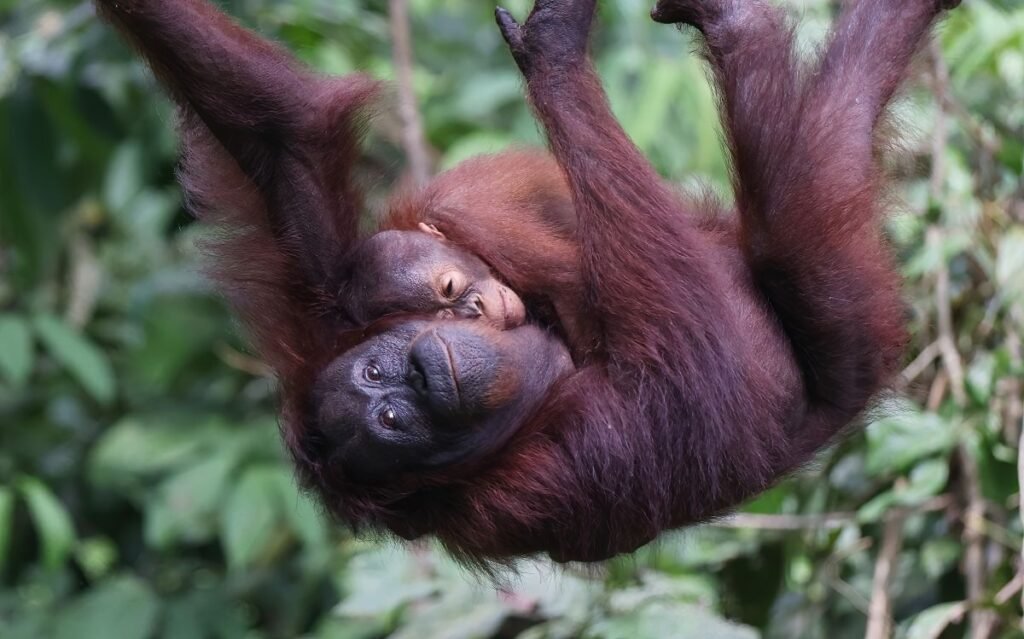
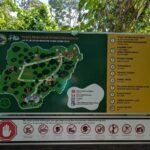
You’ll likely come in from Sandakan, a small coastal gateway city in Malaysian Borneo. The drive to Sepilok is about 30–45 minutes but it feels like a gradual rewrite of the world around you. When you reach the entrance, you’ll see a simple gate, visitor centre buildings, and shaded walkways. You cannot bring bags inside the center. There are free lockers on the premises you can use to store your belongings. You are allowed to bring cameras and when I went a monopod as well.

Feeding Platform Viewing
What You Will (and Won’t) See
At the Sepilok Orangutan Rehabilitation Centre near Sandakan, visitors often arrive expecting frequent close-up wildlife encounters, but what you will actually see is something more natural and less predictable.
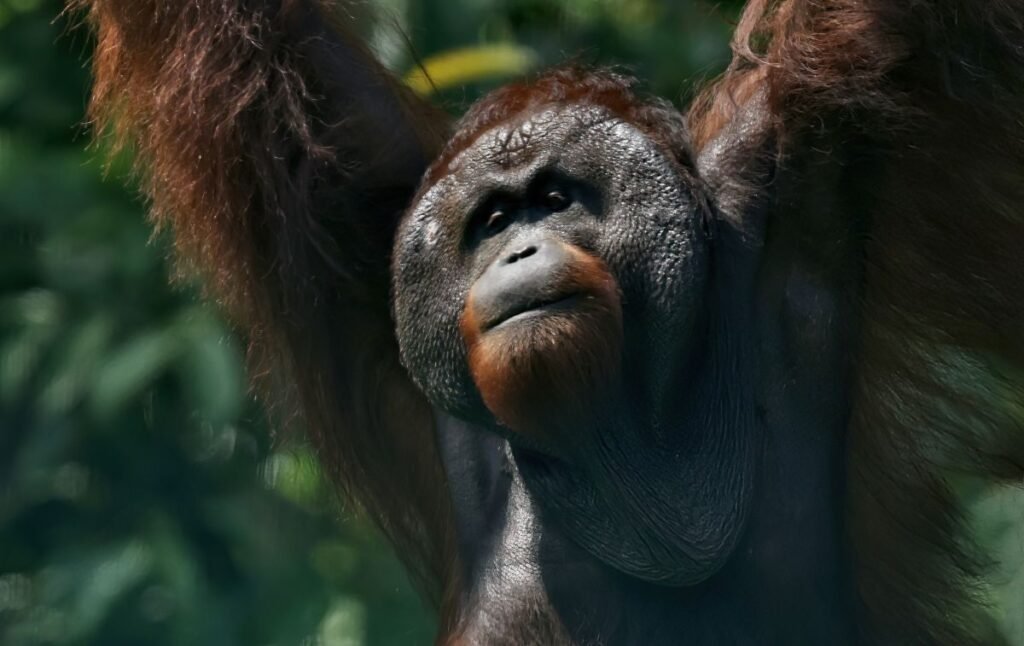
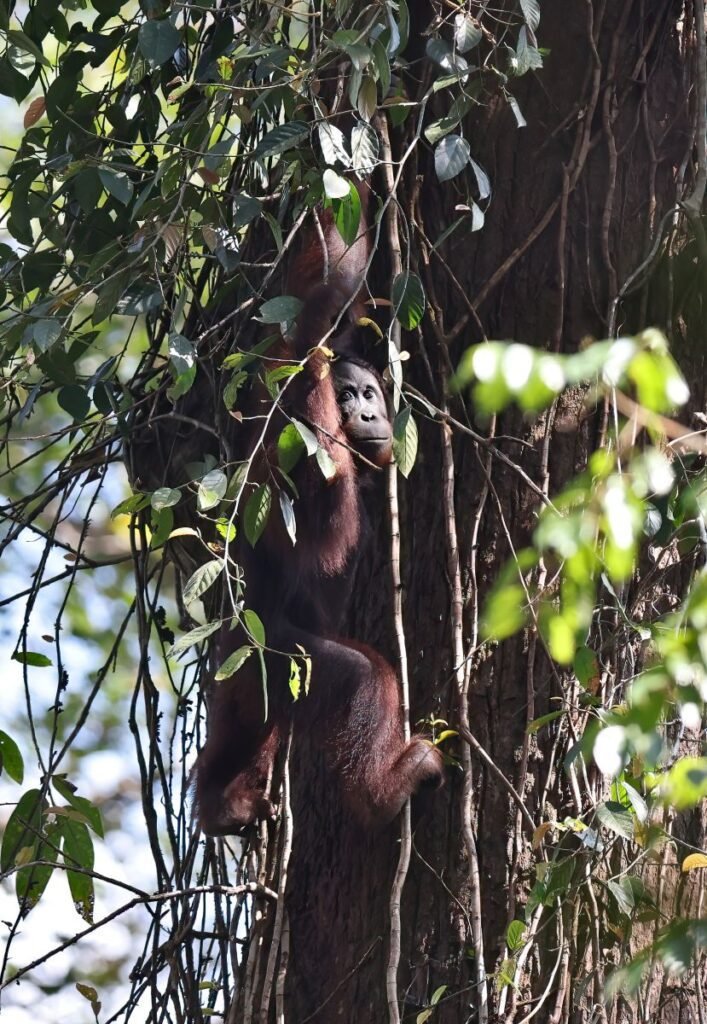
Rehabilitated orangutans occasionally emerging from the rainforest canopy to visit feeding platforms during set times, moving freely and often choosing whether or not to appear at all. You will not see guaranteed sightings, performances, or constant animal presence, as the centre is designed around rehabilitation rather than display. When we went we saw around 4-5 orangutans (one male) which according to our guide was a lot. Some days the orangutans don’t show so there really is no guarantees.
What you won’t see is a zoo-like environment, overcrowding of animals, or controlled interactions.
The Orangutans of Sepilok: What Makes Them Special
The orangutans at the Sepilok Orangutan Rehabilitation Centre near Sandakan are considered some of the most remarkable wildlife conservation success stories in Southeast Asia because they are not simply “viewed animals,” but individuals undergoing rehabilitation and gradual rewilding in a natural rainforest environment.
What makes them special is the combination of intelligence, adaptability, and memory that allows them to relearn survival skills after trauma such as habitat loss or illegal captivity, while still maintaining strong wild instincts that guide their independent movement through the forest canopy.
Best Time to Visit Sepilok Orangutan Rehabilitation Centre
Morning Feeding Session
The best time to visit the Sepilok Orangutan Rehabilitation Centre near Sandakan is during the morning feeding session, typically held between 8:30 and 10:00 AM, when the rainforest is at its most active and the chances of seeing orangutans are highest. This is when visitors are most likely to witness multiple individuals arriving in succession, Compared to afternoon sessions, the morning feeding tends to offer better visibility, more consistent activity, and fewer weather interruptions, making it the preferred choice for photographers.
Dry Season vs Wet Season
Visiting the Sepilok Orangutan Rehabilitation Centre near Sandakan is possible year-round, but the experience changes noticeably depending on whether you come during the dry or wet season.
During the dry season (roughly March to October), forest trails and boardwalks are easier to navigate, humidity is slightly more manageable, and visibility in the canopy is often better, which improves your chances of clearly spotting orangutans as they move toward feeding platforms. Conditions are more predictable and sightings tend to feel more consistent.
In the wet season (roughly November to February), the rainforest transforms into a much more dramatic and immersive environment, with heavier rainfall, richer sounds of wildlife, and denser, more atmospheric greenery. Orangutans may appear in quieter, less crowded conditions.
Is Sepilok Worth Visiting in Borneo?
If you’re planning a wildlife-focused trip to Malaysian Borneo, the short answer is yes the Sepilok Orangutan Rehabilitation Centre near Sandakan is absolutely worth visiting
What makes it worth it is the rarity of the experience: you are observing one of the world’s most intelligent primates in a natural rainforest environment, supported by conservation efforts rather than performance-based tourism.
It is especially worthwhile for travellers who value ethical wildlife tourism, photography, and rainforest immersion over guaranteed sightings or entertainment-style attractions.
If you are travelling to the Kinabatangan River or Danum Valley I would highly recommend going to orangutan center to increase you chances of seeing orangutans in the wild as the chances are much higher here than the Kinabatangan river or Danum valley.
Frequently Asked Questions About Sepilok Orangutan Rehabilitation Centre
Do you always see orangutans?
No. Sightings are likely but not guaranteed. Orangutans are semi-wild and move freely through the surrounding forest, so they may choose whether or not to come to the feeding platforms during scheduled times.
What is the best time to visit?
The morning feeding session (typically 8:30–10:00 AM) is generally the most active period, with higher chances of multiple orangutans appearing and better overall visibility in cooler conditions.
Is it a zoo or a sanctuary?
It is a rehabilitation centre, not a zoo. Orangutans are rescued, rehabilitated, and gradually reintroduced to the wild, meaning the environment is natural, and animal behaviour is not controlled for display.
How close do you get to the orangutans?
Visitors view them from elevated boardwalks at a respectful distance. There is no direct contact, and strict rules are in place to protect both humans and animals.
Can you take photos?
Yes, photography is allowed, and it is one of the most popular aspects of the visit. However, flash photography is typically prohibited to avoid disturbing the animals.
How long should you plan for a visit?
Most visitors spend 1.5 to 3 hours, depending on whether they attend a feeding session and also explore nearby attractions such as the Sun Bear Conservation Centre.
Is it suitable for children?
Yes, it is generally suitable for families, though children must remain supervised at all times and follow strict viewing rules on the boardwalks.
What should you wear?
Light, breathable clothing, comfortable walking shoes, and rain protection are recommended due to the humid, tropical rainforest climate.
Interested in knowing what camera gear I use? Check out my gear list HERE
