Best Birding Spots in Metro Vancouver: A Complete Guide for Birdwatchers (Part 4of 4)
Best Birding Spots in Metro Vancouver: A Complete Guide for Birdwatchers
Metro Vancouver Is One of Canada's Best Birding Destinations
Metro Vancouver is on of North Americas most productive birding regions where coastal mudflats, freshwater marshes, old-growth forests, estuaries, and mountain valleys create habitat for hundreds of bird species throughout the year. In fact, Metro Vancouver is home to over 400 species of birds that either live here throughout the year or spend part of the year here. In this series I look at major birding spots in the Southern portion of the region.
This is part 4 of a 4 part series on birdwatching in Metro Vancouver. If you have not read my part 3 article CLICK HERE to read it.
Best Birding Spots in Metro Vancouver
Burnaby Lake Regional Park (Burnaby)
Burnaby Lake Regional Park located less than 30 minutes drive East from Downtown Vancouver is a premier wildlife hot spot in Metro Vancouver. the park is approximately 3 squared kilometers and is home to over 70 year round bird species and over 200 migratory species throughout the year.
There are two main wildlife spotting areas that I find to be excellent.
Piper Spit
The fist spot to check out is Piper Spit which is a long boardwalk that extends into Burnaby Lake. Here you will see a beautiful diversity of duck species such as the beautiful wood duck.
Another famous set of birds that come here to mate and have babies in late spring and summer are the Sand Hill Cranes. If you haven’t seen a baby Sand Hill Crane you are missing out. They are adorable!
Other species of birds you may see at Piper Spit include:
- Wood Duck
- Mallard
- Northern Pintail
- Green-winged Teal
- American Wigeon
- Ring-necked Duck
- Lesser Scaup
- Bufflehead
- Canada Goose
- American Coot
Wood Ducks are especially photogenic and are one of Piper Spit’s signature species.
Before you head to Piper Spit boardwalk make sure to check out the backside of the Nature House by the parking lot. Here you will commonly see beautiful tree frogs on flowers in the Spring and Summer and Anna Hummingbirds.
If you head to Piper Spit early in the morning you might be lucky enough to spot the elusive Bobcat that lives in the park and likes to hunt for ducks in this area. If you are really luck you might even see them during the day!
Cottonwood Trail to Cariboo Dam
Another very productive section of the park is the Cottonwood trail that heads from the Piper Spit Boardwalk to the Cariboo Dam.
If you are in the park during Winter to early Spring make sure to walk slowly on this trail and look in the holly trees carefully. It is fairly common to see Saw Whet Owls here.
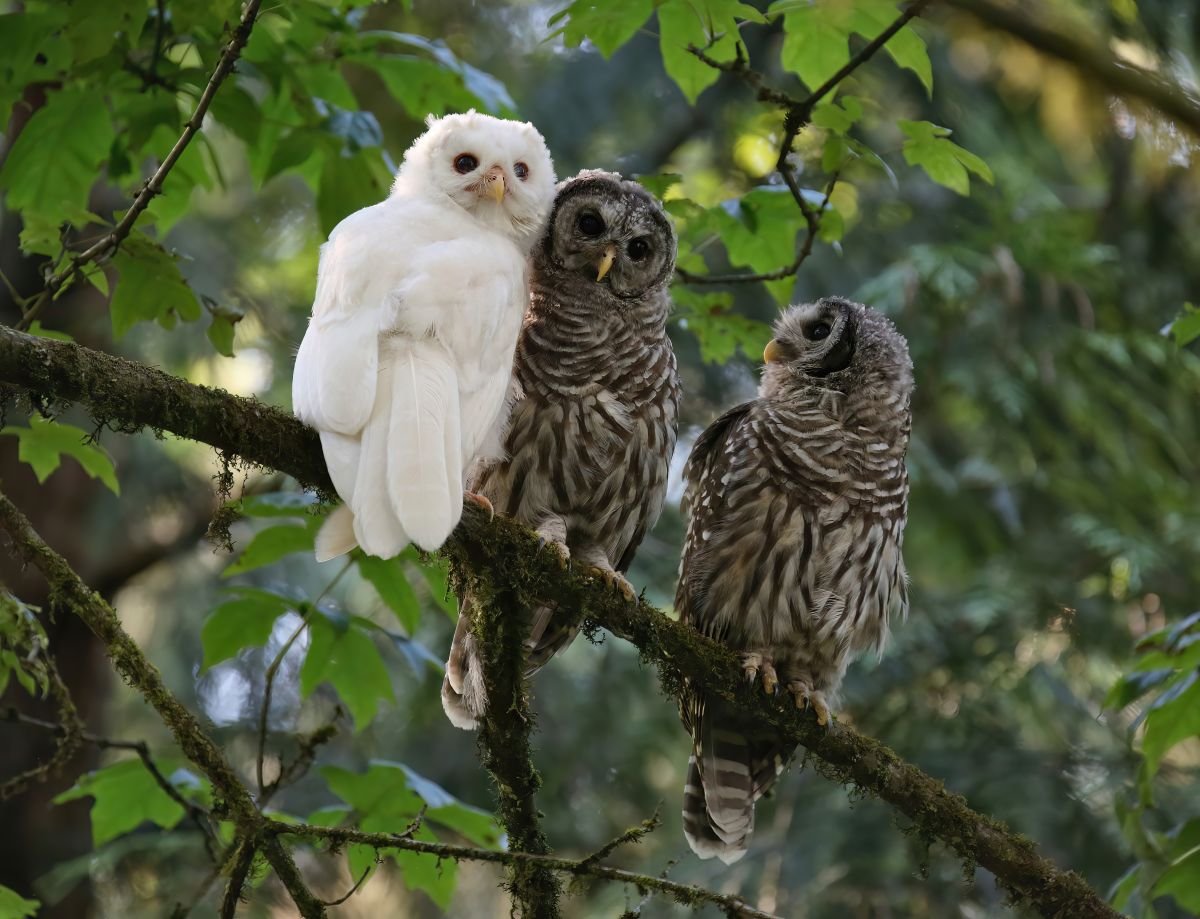
Another common sighting along this trail is the Barred Owl. They are frequently seen along the section of the trail that goes through the forest. This is another spot the Bobcats are seen.
The mature forest provides excellent habitat for several woodpecker species.
- Pileated Woodpecker
- Northern Flicker
- Downy Woodpecker
- Hairy Woodpecker
- Red-breasted Sapsucker
As you walk along the trail you might come across these bird species:
- Black-capped Chickadee
- Chestnut-backed Chickadee
- Red-breasted Nuthatch
- Brown Creeper
- Pacific Wren
- Golden-crowned Kinglet
- Ruby-crowned Kinglet (migration)
- Pacific-slope Flycatcher (summer)
- Warbling Vireo
- Hutton’s Vireo
- Swainson’s Thrush
- Varied Thrush (fall and winter)
- American Robin
- Song Sparrow
- Fox Sparrow
- Spotted Towhee
- Dark-eyed Junco
- Steller’s Jay
- American Crow
Raptors you may see along this trail or the lake include:
Keep your eyes on the canopy and over the lake.
- Bald Eagle
- Osprey (April–September)
- Cooper’s Hawk
- Sharp-shinned Hawk
- Red-tailed Hawk
Eventually you will reach Cariboo Dam. This is a fantastic spot to watch Great Blue Herons hunt along with Belted Kingfishers and Osprey. The dam is also a salmon spawning area. Along the banks of the waterway you will see dead salmon. This attracts the bobcats. If you are lucky enough you might see them there during the Fall. Make sure to check out EBIRD to find out what bird species are currently hanging around.
BC Ferries Jetty (Delta)
Located in South Delta the ferry terminal jetty provides for a excellent spot to see migratory shorebirds and year round residents.
The main draw to the area is not the shore birds but the Heron rookery located at the beginning of the jetty on the left hand side if you are travelling towards the ferry terminal. The Heron rookery here has hundreds of herons that build nests and have offspring.
Make sure to bring a folding chair and wait for the spectacular show nature puts on here between the Bald Eagles and the Herons. One of the reasons why the Herons nest in this particular spot is because there are a pair of Eagles nests at the top of the hill looking down upon the Heron nests. The Eagles provide protection for the rookery as a whole but in return a few heron offspring are picked off by the Eagle. When the Eagles fly-by the rookery erupts in a loud roar. It’s quit the spectacle to watch. For photographers the lighting is better in the evening.
After visiting the rookery head onto the jetty road. You will come across a pull out on the right hand side close the terminal. There are narrow paths you can walk on both sides of the jetty. My favorite bird species in this area are the Oystercatchers. They are usually plentiful here and every summer nest here. Lots of other shorebirds can be found here including:
Waterfowl
- American Wigeon
- Mallard
- Northern Pintail
- Northern Shoveler
- Green-winged Teal
- Gadwall
- Eurasian Wigeon (occasionally)
- Wood Duck
- Canada Goose
- Snow Goose (fall and winter)
- Brant (spring)
- Trumpeter Swan
- Tundra Swan (occasionally)
- Bufflehead
- Common Goldeneye
- Barrow’s Goldeneye
- Surf Scoter
- White-winged Scoter
- Long-tailed Duck
- Red-breasted Merganser
- Common Merganser
- Hooded Merganser
Shorebirds
One of the best places in Metro Vancouver for shorebirds.
- Black-bellied Plover
- Semipalmated Plover
- Killdeer
- Dunlin
- Western Sandpiper
- Least Sandpiper
- Sanderling
- Long-billed Dowitcher
- Greater Yellowlegs
- Lesser Yellowlegs
- Marbled Godwit
- Long-billed Curlew
- Black Turnstone
- Surfbird (winter)
- Red Knot (migration)
- Short-billed Dowitcher (less common)
Birds of Prey
- Bald Eagle
- Northern Harrier
- Peregrine Falcon
- Merlin
- Cooper’s Hawk
- Red-tailed Hawk
- Sharp-shinned Hawk
- Osprey (summer)
Seabirds
- Pelagic Cormorant
- Double-crested Cormorant
- Brandt’s Cormorant (occasionally)
- Common Loon
- Pacific Loon
- Red-throated Loon
- Horned Grebe
- Red-necked Grebe
- Western Grebe
- Common Murre (offshore)
- Rhinoceros Auklet (occasionally offshore)
Gulls & Terns
- Glaucous-winged Gull
- Mew Gull
- Ring-billed Gull
- California Gull
- Bonaparte’s Gull
- Heermann’s Gull (late summer)
- Caspian Tern
- Common Tern (migration)
Minnekhada Regional Park (Port Coquitlam)
Minnekhada Regional Park, located in Port Coquitlam, is generally not known as birding hotspot and is instead known for its high concentration of Black Bears. Speaking of bears make sure to check out my article on there HERE.
There are generally one route I take when birding at Minnekhada. The best place to park is the main parking lot along Quarry Road. Start looking for birds right in the parking lot. Its usually full of different bird species. The trail you want to start walking along is the Quarry Trail —> Log Walk —>Mid-Marsh Trail
My favorite spot to stop and stay for a few hours is along Mid-Marsh Trail where it cuts across the lake. This area has everything from frogs, muskrats and river otters to sandhill cranes, pied grebes and bears. You are guaranteed to see something if you stay here a while.
Raptors you can see here include:
Regular species include:
- Bald Eagle
- Osprey (spring through early fall)
- Northern Harrier
- Red-tailed Hawk
- Sharp-shinned Hawk
- Cooper’s Hawk
- Peregrine Falcon
- Rough-legged Hawk (winter)
- Turkey Vulture (summer)
Woodpeckers you can see here include:
- Pileated Woodpecker
- Northern Flicker
- Hairy Woodpecker
- Downy Woodpecker
Elk View Mountain (Chilliwack)
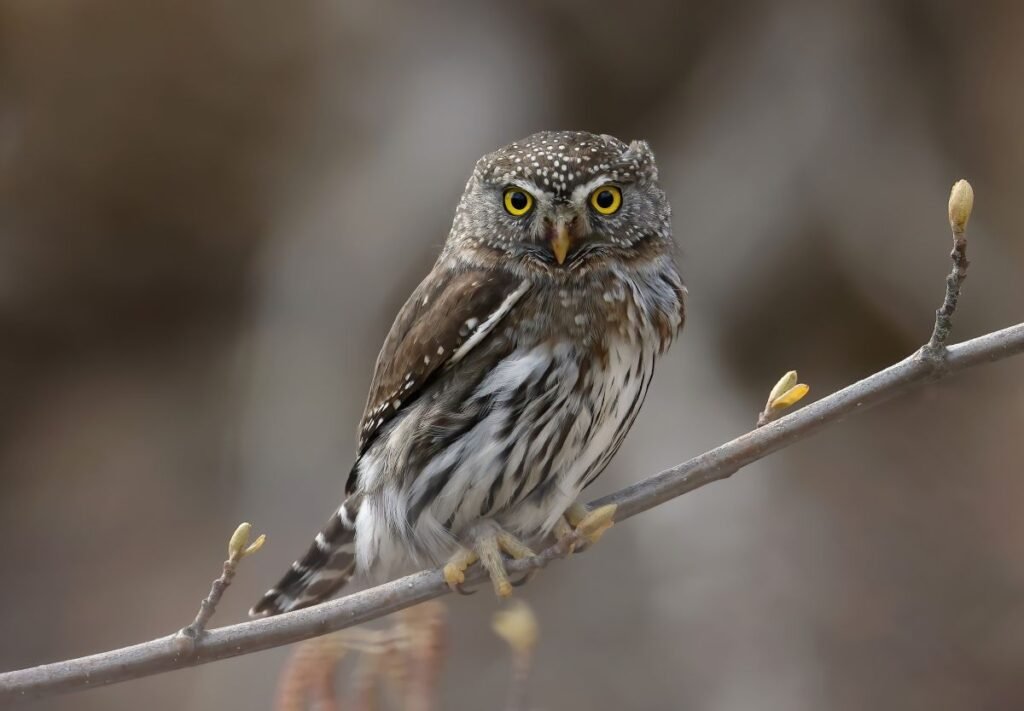
Elk View Mountain is on of the best spots in British Columbia to reliably see Norther Pygmy Owls. They are here year round but depending on the time of year they may be lower or higher up in the mountains. Located 2hrs East of Vancouver Elk Mnt is a bit of a drive to get too. Elk Mountain is not really a spot to go to for diversity of birds as I usually only see under 10 species when I visit. I only advice going to this spot if you really want to see the Norther Pygmy Owl.
Start your journey up top at Elk View Mountain Rd. As you drive along this road you will see pullouts. Make sure to stop at each one of them and scan the tops of trees. Pygmy owls like to perch at the tip of trees. The road eventually comes to a fork when you go downhill. Keep right and it turns into Bench Road. This section of the road is very productive for Pygmy Owls.
A friendly reminder about wildlife photography ethics. If you see owls never chase them. Always give them space. Pygmy Owls are very curious birds. They often do come close to you but let it be on their terms not yours.
If you are interested in wildlife sightseeing make sure to check out my article on THE ULTIMATE BRITISH COLUMBIA WILDLIFE GUIDE.
Interested in knowing what camera gear I use? Check out my gear list HERE
