Best Birding Spots in Metro Vancouver: A Complete Guide for Birdwatchers (Part 3 of 4)
Best Birding Spots in Metro Vancouver: A Complete Guide for Birdwatchers
Metro Vancouver Is One of Canada's Best Birding Destinations
Metro Vancouver is on of North Americas most productive birding regions where coastal mudflats, freshwater marshes, old-growth forests, estuaries, and mountain valleys create habitat for hundreds of bird species throughout the year. In fact, Metro Vancouver is home to over 400 species of birds that either live here throughout the year or spend part of the year here. In this series I look at major birding spots in the Southern portion of the region.
This is part 3 of a 4 part series on birdwatching in Metro Vancouver. If you have not read my part 2 article CLICK HERE to read it.
Best Birding Spots in Metro Vancouver
Blackie Spit to Elgin Park (Surrey)
Located in South Surrey along the Nickomekl River. One of the greatest strengths of this birding route is the incredible variety of habitats packed into a relatively small area. Starting at Elgin Heritage Park, visitors walk through mature forest, freshwater ponds, marshes, and along the tidal Nicomekl River before continuing to Blackie Spit, where expansive mudflats, eelgrass beds, salt marshes, and sandy beaches attract thousands of resident and migratory birds.
Elgin Park
Elgin Heritage park wetlands, forest edges, and quiet trails provide excellent habitat for woodland birds, raptors, and wetland species.
Depending on the season, keep an eye out for:
- Belted Kingfisher
- Great Blue Heron
- Wood Duck
- Red-winged Blackbird
- Spotted Towhee
- Black-capped Chickadee
- Pacific Wren
- Northern Flicker
- Downy Woodpecker
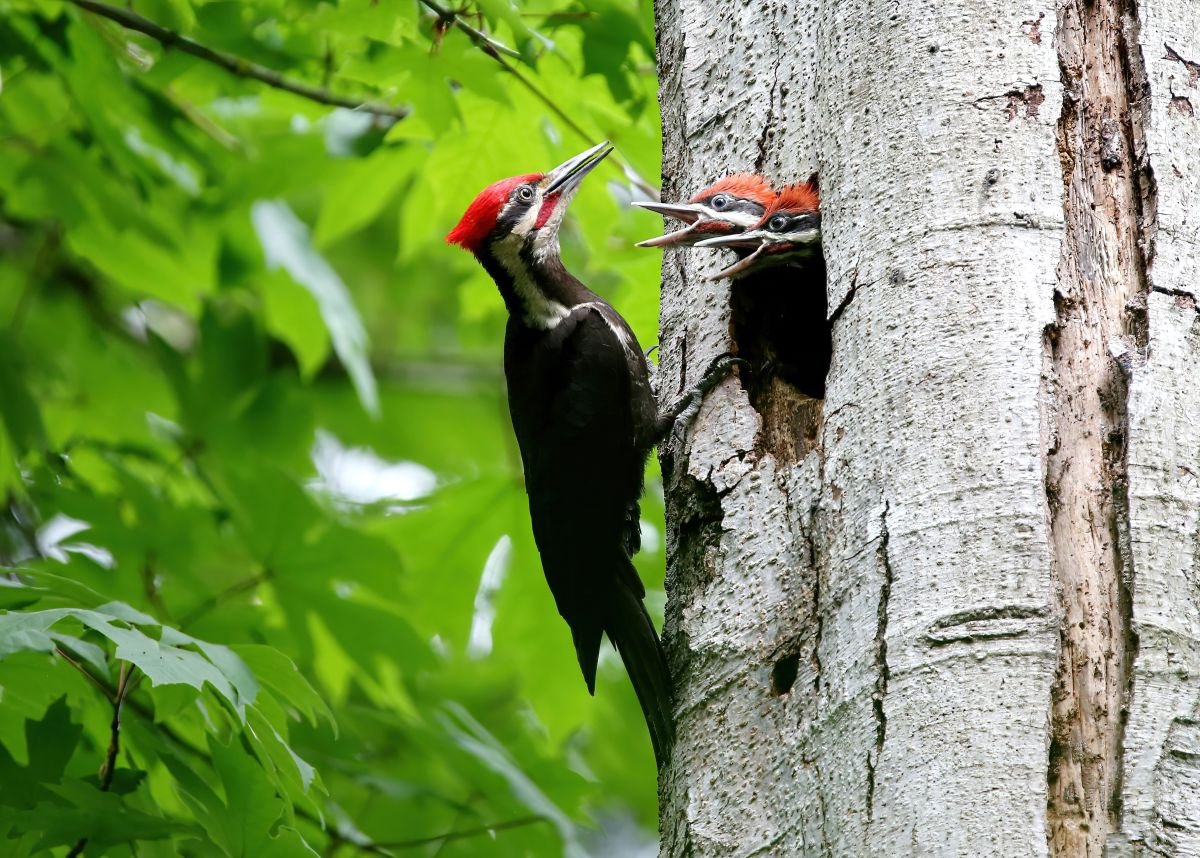
- Pileated Woodpecker
- Bald Eagle
- Cooper’s Hawk
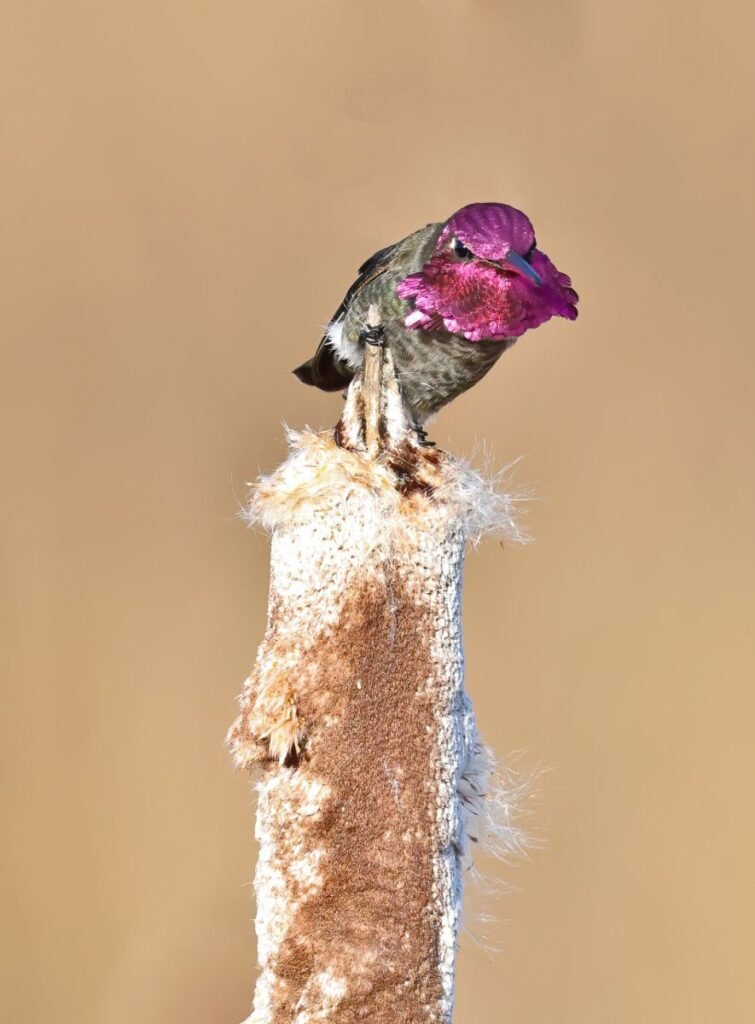
- Anna and Rufous Hummingbird
The park is also one of the better places in Surrey to hear songbirds during spring migration as warblers, vireos, and flycatchers pass through the forest canopy. Rarer birds have also been spotted here including the yellow billed loon.
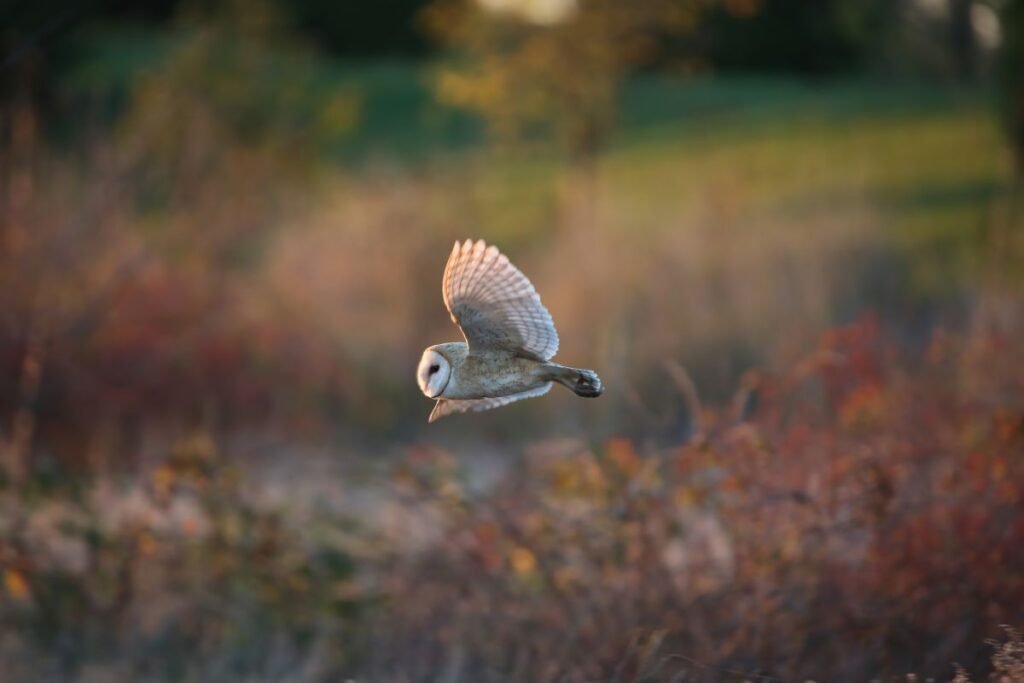
If you are into seeing owls there is also a large Barn Owl box in the field near the trail bridge. If the nest is occupied in the summer and you are lucky you might see the Barn Owls flying around in the evening in that area.
Blackie Spit
Blackie Spit is one of Canada’s premier birdwatching destinations. More than 230 bird species have been recorded here thanks to its location within the Fraser River Estuary Important Bird Area. The 5-kilometre trail winds through tidal marshes, eelgrass beds, beaches, and coastal dunes that provide vital resting and feeding habitat for migratory birds.
Throughout the year, visitors regularly observe:
- Bald Eagle
- Peregrine Falcon
- Northern Harrier
- Short-eared Owl (winter)
- Great Blue Heron
- Dunlin
- Black-bellied Plover
- Western Sandpiper
- Marbled Godwit
- Long-billed Curlew
- American Wigeon
- Northern Pintail
- Green-winged Teal
- Bufflehead
- Red-breasted Merganser
- Horned Grebe
- Pelagic Cormorant
- Common Loon
- Bonaparte’s Gull
During peak spring and autumn migration, enormous flocks of shorebirds create spectacular aerial displays as they wheel across the mudflats in tightly synchronized formations.
More rare birds to have been coming to this spot for the last few years include snow bunting (which can be found usually at the far end of the spit), Lapland Longspur and Long-Billed Curlew.
White Rock Pier (White Rock)
Stretching nearly 470 metres into the calm waters of Semiahmoo Bay, White Rock Pier is much more than one of British Columbia’s most recognizable landmarks. It is also one of Metro Vancouver’s premier coastal birdwatching destinations.
White Rock Pier allows visitors to scan the bay from an elevated vantage point, making it an excellent location for observing diving birds, seabirds, and migrating waterfowl. It’s also an ideal stop to combine with nearby Blackie Spit, Crescent Beach, or Boundary Bay for a full day of birdwatching.
ear-Round Residents
Keep an eye out for:
- Bald Eagle
- Great Blue Heron
- Belted Kingfisher
- Pelagic Cormorant
- Double-crested Cormorant
- Glaucous-winged Gull
- Northwestern Crow
- Anna’s Hummingbird (near the waterfront gardens)
During the colder months you may encounter:
- Horned Grebe
- Red-necked Grebe
- Western Grebe
- Pacific Loon
- Red-throated Loon
- Common Loon
- Surf Scoter
- White-winged Scoter
- Long-tailed Duck
- Red-breasted Merganser
- Bufflehead
- Common Goldeneye
Spring and autumn migrations bring impressive numbers of shorebirds to the beaches surrounding White Rock. Depending on tides and migration timing, visitors may see:
- Black Turnstone
- Black-bellied Plover
- Dunlin
- Western Sandpiper
- Long-billed Dowitcher
- Marbled Godwit
- Willet
- Sanderling
While scanning for birds, keep an eye on the water for:
- Harbour Seals
- Harbour Porpoises
- River Otters (occasionally near the shoreline)
- Killer Whales
- Humpback Whales
Marine mammals often surface unexpectedly near the pier, making every visit a unique wildlife experience.
Green Timbers Park (Surrey)
Hidden in the heart of Surrey, Green Timbers Urban Forest Park is one of Metro Vancouver’s most underrated birdwatching destinations. Spanning more than 180 hectares of mature second-growth forest, wetlands, meadows, and the picturesque Green Timbers Lake, this urban oasis provides habitat for an impressive variety of resident and migratory birds throughout the year.
Mature Douglas-fir and western red cedar forests provide nesting sites for woodland birds, while Green Timbers Lake attracts ducks, herons, kingfishers, and other wetland species. Open meadows and forest edges create excellent feeding habitat for woodpeckers, hawks, owls, and songbirds, allowing visitors to encounter a surprising variety of species during a single walk
The mature conifer forest is home to many classic Pacific Northwest forest species, including:
- Pileated Woodpecker
- Downy Woodpecker
- Northern Flicker
- Chestnut-backed Chickadee
- Black-capped Chickadee
- Red-breasted Nuthatch
- Brown Creeper
- Pacific Wren
- Golden-crowned Kinglet
- Varied Thrush (winter)
- Spotted Towhee
- Steller’s Jay
The lake attracts a variety of waterbirds throughout the year.
Keep an eye out for:
- Wood Duck
- Mallard
- Bufflehead (winter)
- Canada Goose
- Great Blue Heron
- Green Heron (occasionally)
- Belted Kingfisher
- American Coot
- Pied-billed Grebe
Green Timbers is also an excellent location for spotting birds of prey. Depending on the season, visitors may encounter:
- Bald Eagle
- Red-tailed Hawk
- Cooper’s Hawk
- Sharp-shinned Hawk
- Great Horned Owl
If you are interested in wildlife sightseeing make sure to check out my article on THE ULTIMATE BRITISH COLUMBIA WILDLIFE GUIDE.
Interested in knowing what camera gear I use? Check out my gear list HERE

1 comment
[…] 4 of a 4 part series on birdwatching in Metro Vancouver. If you have not read my part 3 article CLICK HERE to read […]