Ultimate British Columbia Wildlife Guide: Where to See Bears, Whales, Eagles, Owls and More
British Columbia Is One of the World's Greatest Wildlife Destinations
There are few places on Earth where you can watch a humpback whale breach in the morning, photograph a black bear feeding along a forest edge in the afternoon, and finish the day watching a great horned owl emerge at dusk.
British Columbia is one of those places.
Stretching from the Pacific coastline to the rugged Rocky Mountains, the province protects millions of hectares of rainforest, alpine wilderness, rivers, estuaries, and wetlands that support an incredible diversity of wildlife. Whether you’re visiting Vancouver for a few days or planning a dedicated wildlife photography expedition, opportunities to experience nature are never far away.
From the famous whale-watching waters around Vancouver Island to hidden bear hotspots just outside Metro Vancouver, British Columbia rewards travelers who know where and when to look.
This guide highlights the best places to see bears, whales, eagles, owls, and other iconic wildlife across British Columbia.
Why British Columbia Is a Wildlife Paradise
British Columbia is home to an astonishing variety of habitats, each supporting different species throughout the year.
Visitors have the opportunity to see:
- Black Bears and Grizzly Bears
- Bald Eagles
- Owls such as Barred, Snowy, Great Grey Owl and more.
- Orcas
- Gray Whales
- Sea Lions and Harbour Seals
- Porpoises
- River Otters and Sea Otters
- Beavers
- Roosevelt Elk
- Mountain Goats
- Hundreds of bird species
Few destinations in North America offer such incredible wildlife diversity within relatively short driving distances.
Where to See Bald Eagles in British Columbia
Delta: One of Canada's Best Urban Eagle Photography Locations
Located just 30 minutes south of downtown Vancouver, Delta is widely regarded as one of Canada’s premier destinations for bald eagle photography and birdwatching. Thanks to its rich network of estuaries, farmland, wetlands, and the productive waters of the Fraser River, the area supports one of the largest concentrations of bald eagles in the province, particularly during the fall and winter months when spawning salmon attract hundreds of birds. Wildlife photographers regularly visit hotspots such as Boundary Bay Regional Park, Brunswick Point, and Westham Island, where eagles can often be seen soaring overhead, perched in towering cottonwood trees, or feeding along the shoreline. Despite its close proximity to Metro Vancouver, Delta offers an exceptional opportunity to observe these majestic raptors in a natural setting without travelling deep into the wilderness. For anyone hoping to photograph one of Canada’s most iconic birds, Delta is a must-visit destination in British Columbia.
Harrison Mills: Canadas Best Eagle Photography Locations
Nestled in British Columbia’s scenic Fraser Valley, Harrison Mills is internationally recognized as one of Canada’s best places to photograph bald eagles. Every autumn and winter, thousands of spawning salmon return to the nearby Harrison and Chehalis Rivers, creating an abundant food source that attracts hundreds of bald eagles from across the Pacific Northwest. During peak season, it is not uncommon to witness dozens of eagles soaring overhead, perched in riverside trees, or diving to catch salmon, making Harrison Mills a dream destination for wildlife photographers and birdwatchers alike. The annual eagle season typically runs from late October through February, with November and December offering some of the highest concentrations. Whether you’re an experienced photographer armed with a telephoto lens or simply hoping to witness one of nature’s most impressive spectacles, Harrison Mills delivers one of the most unforgettable bald eagle viewing experiences in North America.
Other Amazing Eagle Photography Locations
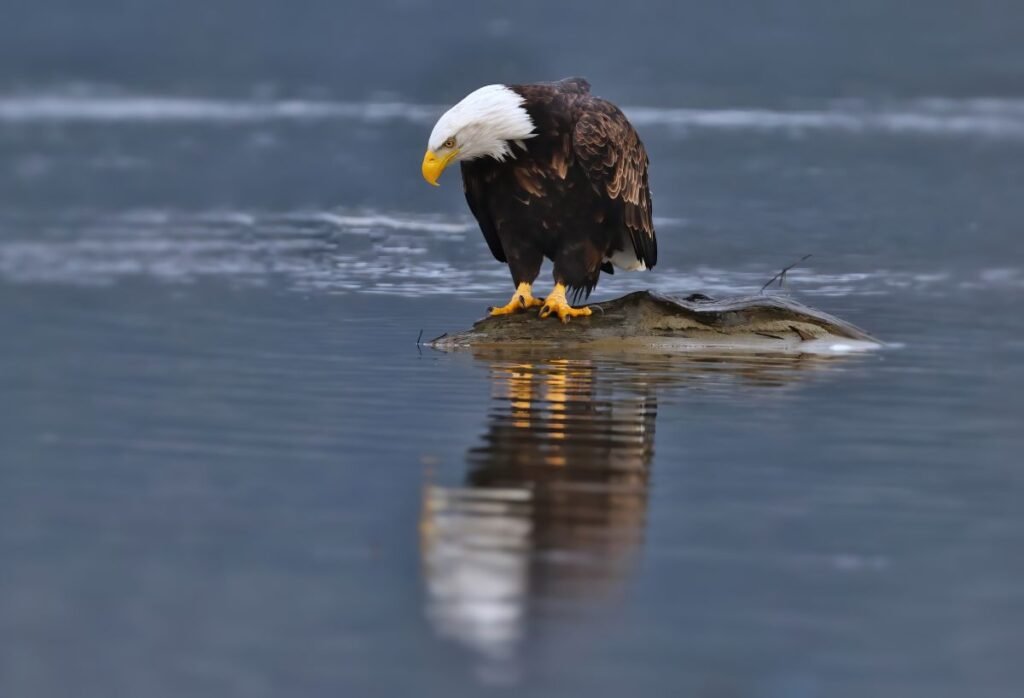
While Delta and Harrison Mills are among British Columbia’s most famous eagle photography destinations, the province offers many other outstanding locations to observe these magnificent birds throughout the year. Vancouver Island is particularly spectacular during the annual Pacific herring spawn, typically from late February through March, when thousands of bald eagles gather along the coastline to feed on fish and other marine life. Areas around Parksville, Qualicum Beach, Campbell River, and the Comox Valley can produce remarkable opportunities to photograph eagles soaring above turquoise waters or perched in coastal evergreens. Other excellent eagle-viewing locations include Squamish, where eagles congregate along the Squamish River during the salmon run, and the Fraser Valley, where rivers, wetlands, and agricultural fields provide ideal feeding habitat throughout the cooler months. Whether you prefer dramatic coastal scenery or riverside wildlife encounters, British Columbia offers some of the finest bald eagle photography opportunities anywhere in North America.
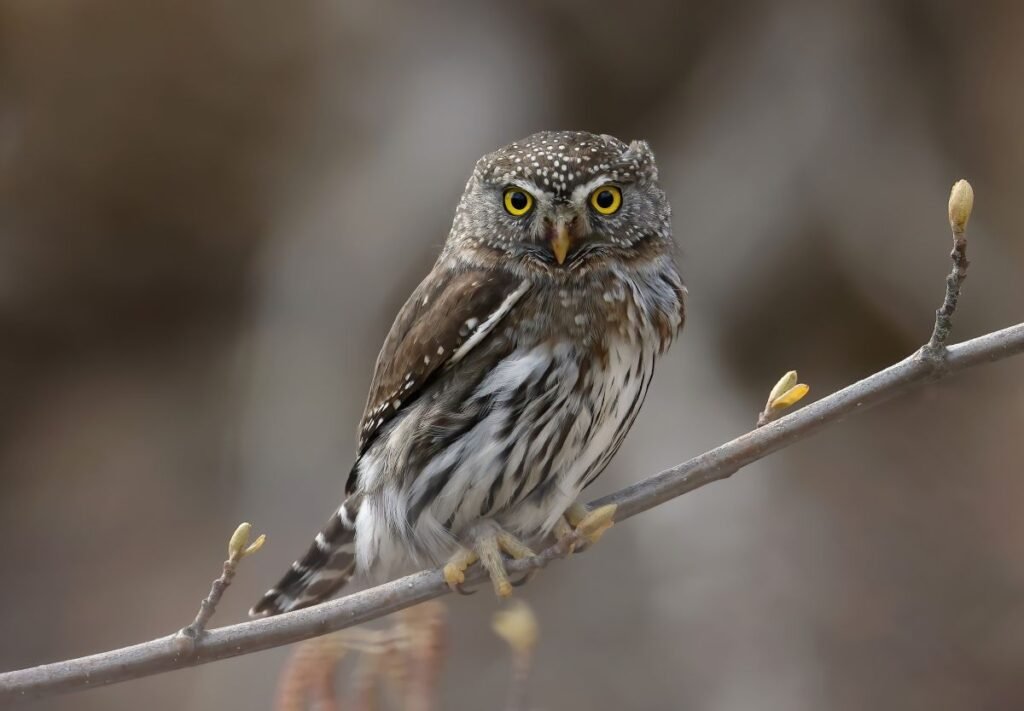
Best Places to See Owls in British Columbia
British Columbia's Interior: Searching for Great Gray Owls
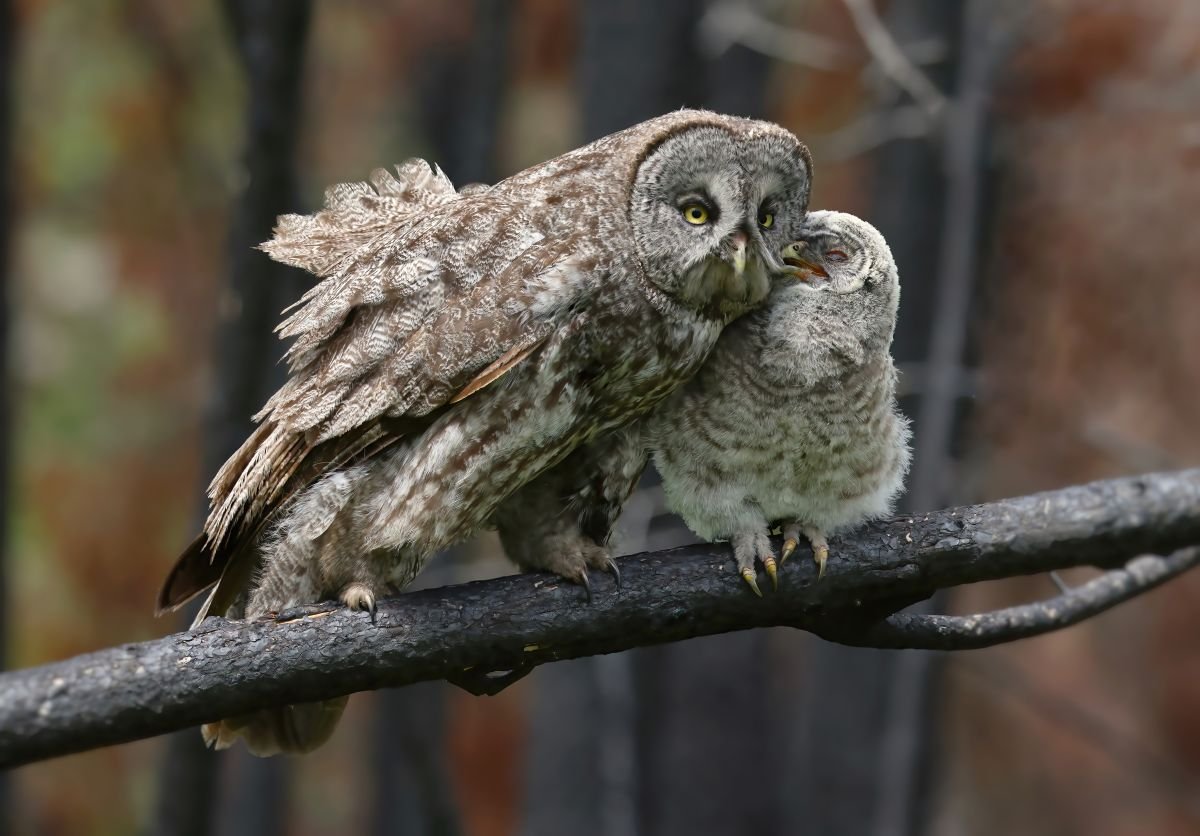
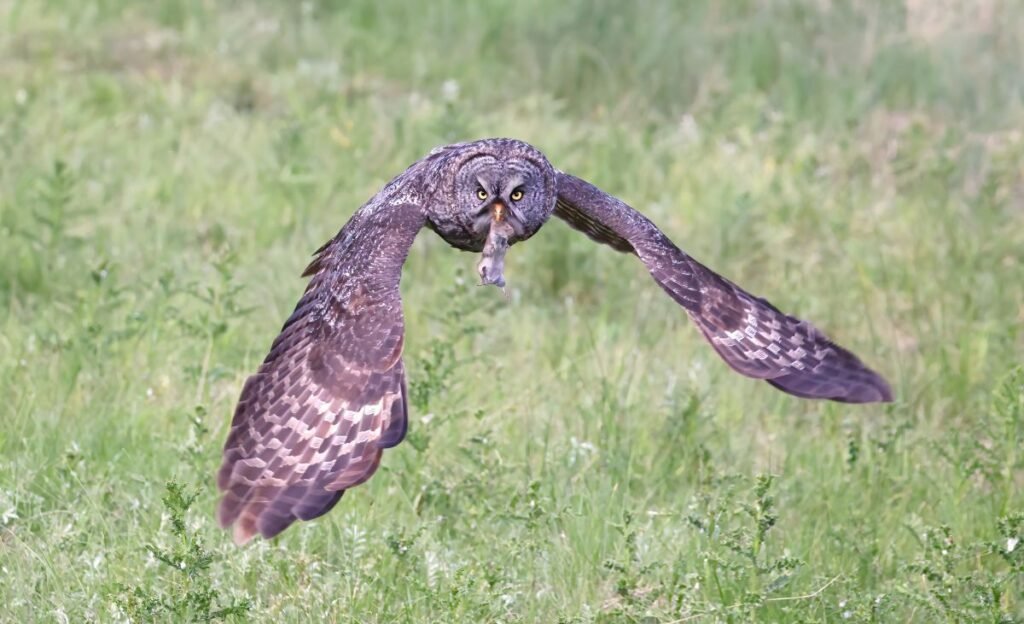
For many wildlife photographers and birdwatchers, spotting a Great Gray Owl is the ultimate British Columbia wildlife experience. As the tallest owl in North America, this majestic species is instantly recognizable by its large facial disk, piercing yellow eyes, and graceful, silent flight. Unlike many other owl species that remain hidden deep within forests, Great Gray Owls often hunt from exposed fence posts, dead trees, and open meadow edges, providing exceptional opportunities for observation and photography when conditions are right.
The best places to search for Great Gray Owls are found throughout British Columbia’s Interior, particularly in the Cariboo Region, Thompson-Nicola, the Prince George area, and parts of the East Kootenays. These regions offer a mosaic of mature conifer forests, marshes, and open grasslands that provide ideal habitat for the voles and small mammals on which the owls depend. Winter is generally considered the prime season for sightings, as snow-covered landscapes make hunting activity more visible and the birds often perch in the open while scanning for prey beneath the snow.
Early mornings and the final hours before sunset are typically the most productive times to look, when the owls are actively hunting in the soft, golden light—conditions that also create outstanding photography opportunities.
Because Great Gray Owls are sensitive to disturbance, responsible wildlife viewing is essential. Always observe from a respectful distance, remain quiet, and avoid approaching birds that are actively hunting or nesting. Using a telephoto lens rather than moving closer allows photographers to capture remarkable images while ensuring the owls can continue their natural behaviour undisturbed.
Delta: A Hotspot for Owl Enthusiasts
Just 30 minutes from downtown Vancouver, Delta is one of the most reliable and accessible owl-watching regions in British Columbia, thanks to its mix of farmland, marshes, and coastal grasslands along the Fraser River estuary. Unlike dense forest habitats elsewhere in the province, Delta’s wide-open landscapes make it easier to spot hunting owls, especially at dawn and dusk when they move across fields and dike systems in search of rodents.
One of the most commonly seen species in Delta is the Short-eared Owl, often observed gliding low over open fields at Boundary Bay Regional Park, Brunswick Point, and along the agricultural dikes of Westham Island. These owls are highly active in winter and are frequently seen quartering over grasslands in search of voles.
The Barn Owl, although more elusive, can also be found in the same farmland and marsh edge habitats, particularly around quieter rural stretches of Westham Island and agricultural barns where they roost and hunt at night.
The Great Horned Owl is another resident species in Delta, typically found perched in tall trees along forest edges, parklands, and dike systems such as those near Boundary Bay. They are more often heard than seen, especially during breeding season in late winter.
During colder winters, Delta occasionally attracts visiting Snowy Owls, which are highly prized sightings for birders. These rare visitors are most often spotted in the open fields around Boundary Bay, Ladner farmlands, and Westham Island, where they hunt during daylight hours.
Together, these species make Delta one of the most diverse and dependable owl-viewing destinations near Vancouver
Other Wildlife Worth Looking For
Along the Coast
The coastline of British Columbia is one of the richest marine ecosystems in North America, offering incredible opportunities to observe wildlife year-round along its rugged shores, sheltered inlets, and island-dotted waters. Visitors exploring coastal regions such as Vancouver Island, the Sunshine Coast, and the Gulf Islands can regularly encounter harbour seals hauled out on rocky shorelines or bobbing in calm harbours, while larger marine mammals like California sea lions and Steller sea lions gather in noisy colonies during the colder months. Lucky observers may also spot playful river otters weaving through kelp beds near shorelines or diving for fish in estuaries and coves. Offshore waters are even more spectacular, with opportunities to see humpback whales, orcas, gray whales, and porpoises depending on the season, often breaching or surfacing dramatically during feeding and migration periods. In more remote and protected coastal areas, particularly along the central and northern coast such as Port Alice, visitors may even encounter the elusive sea otter, a species once nearly wiped out but now slowly recovering in select regions. Together, this remarkable diversity of marine life makes British Columbia’s coastline one of the most rewarding wildlife viewing destinations in the world.
In Mountain Regions
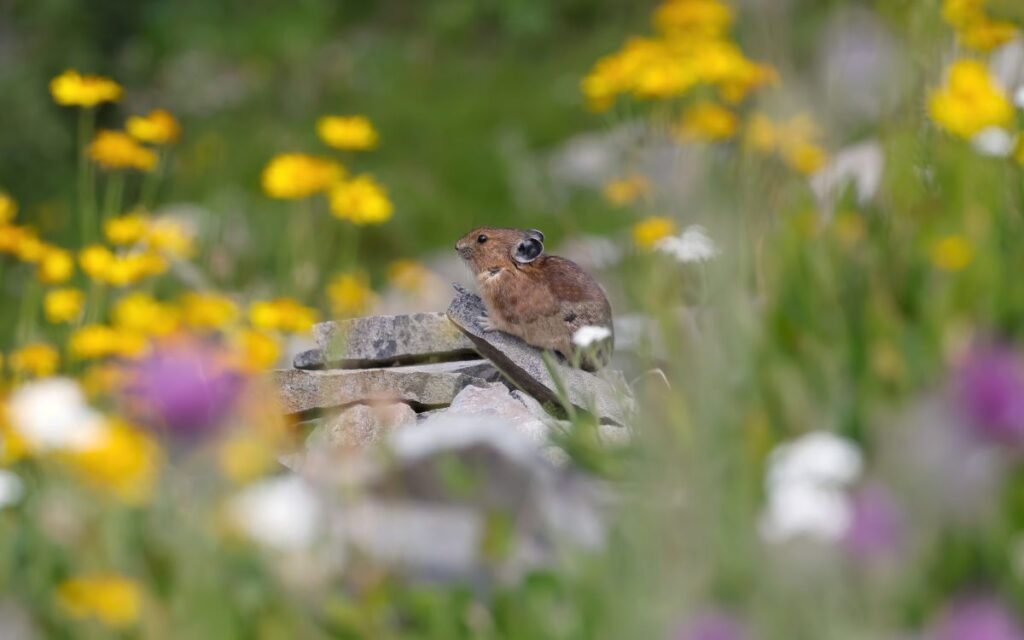
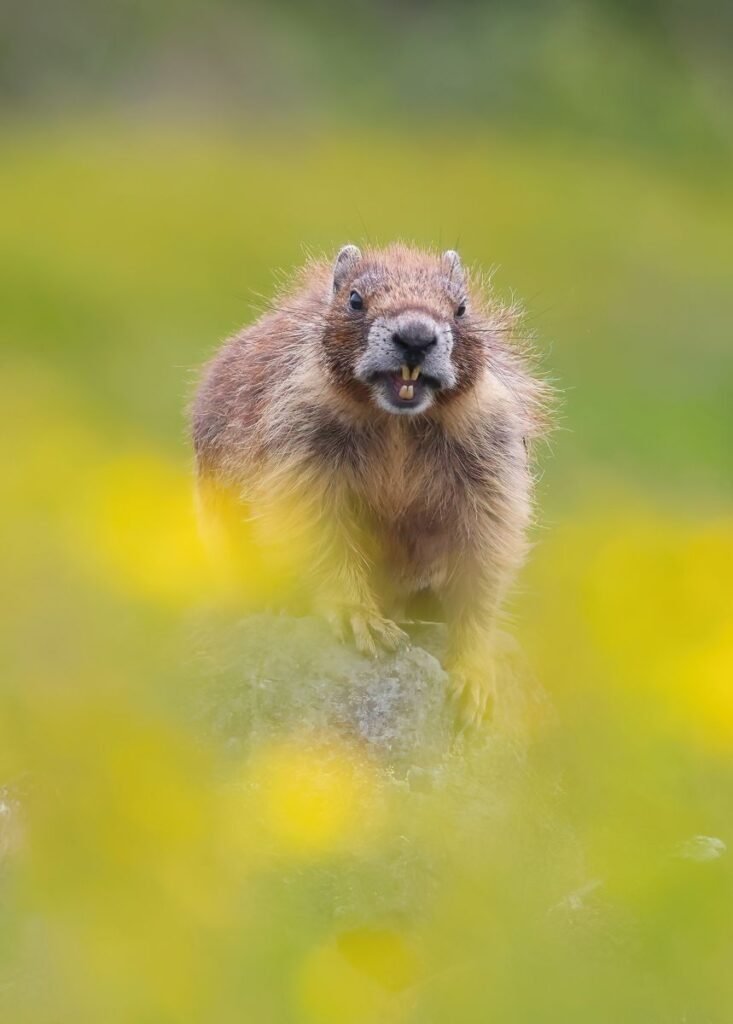
The mountain regions of British Columbia offer some of the most dramatic and rewarding wildlife viewing opportunities in Canada, with vast alpine landscapes, dense conifer forests, and glacier-fed valleys supporting a wide range of iconic species. Visitors exploring areas such as the Rocky Mountains, Cariboo, Kootenays, and Coast Mountains may encounter large mammals including mountain goats, often seen navigating near-vertical cliffs with remarkable agility, as well as bighorn sheep grazing on rocky slopes and mule deer moving through forest edges and open meadows. In more remote valleys and wilderness corridors, larger wildlife such as moose can sometimes be spotted feeding in wetlands or standing in alpine lakes during summer months. The region is also home to elusive predators like black bears, cougars, and wolves, which are rarely seen but remain an important part of the ecosystem. Birdlife is equally impressive, with Clark’s nutcrackers, Steller’s jays, golden eagles, and ptarmigan commonly found in higher elevations depending on the season. Whether driving scenic mountain highways or hiking into alpine terrain, British Columbia’s mountain regions offer a powerful sense of wilderness where wildlife sightings feel both rare and unforgettable.
Wetlands
Wetland ecosystems across British Columbia are among the most productive wildlife habitats in the province, offering exceptional birdwatching and nature viewing opportunities throughout the year. Areas such as the Fraser River Delta, Reifel Bird Sanctuary, Richmond wetlands, and interior marshes around Kamloops and the Okanagan attract a wide variety of species that rely on shallow waters, mudflats, and reed beds for feeding and nesting. Visitors can commonly observe elegant great blue herons standing motionless while hunting fish, while seasonal migrations bring large flocks of sandhill cranes, snow geese, and trumpeter swans that fill the skies and fields during spring and autumn. Raptors such as northern harriers, bald eagles, and red-tailed hawks are frequently seen patrolling above the wetlands, taking advantage of the abundant prey below. Smaller wildlife, including muskrats, beavers, and river otters, can often be spotted along ditches, ponds, and slow-moving channels, especially during early morning or late evening hours. These wetland environments provide some of the easiest and most rewarding wildlife viewing in British Columbia, making them ideal for both casual visitors and dedicated birdwatchers alike.
Best Places To See Bears
Check out my complete guide to where to find Black and Grizzly Bears in British Columbia HERE.
Best Time to See Wildlife in British Columbia
Spring
- Black bears emerge from hibernation.
- Migratory birds return.
- Whale-watching season begins.
Summer
- Peak whale-watching.
- Bears actively forage.
- Excellent bird diversity.
Autumn
- Salmon runs attract bears and bald eagles.
- Spectacular fall colours.
- Active wildlife before winter.
Winter
- Bald eagle concentrations peak.
- Great Gray Owls become easier to locate.
- Snowy Owls occasionally visit coastal farmland.
- Trumpeter swans arrive in the Fraser Valley.
Interested in knowing what camera gear I use? Check out my gear list HERE
